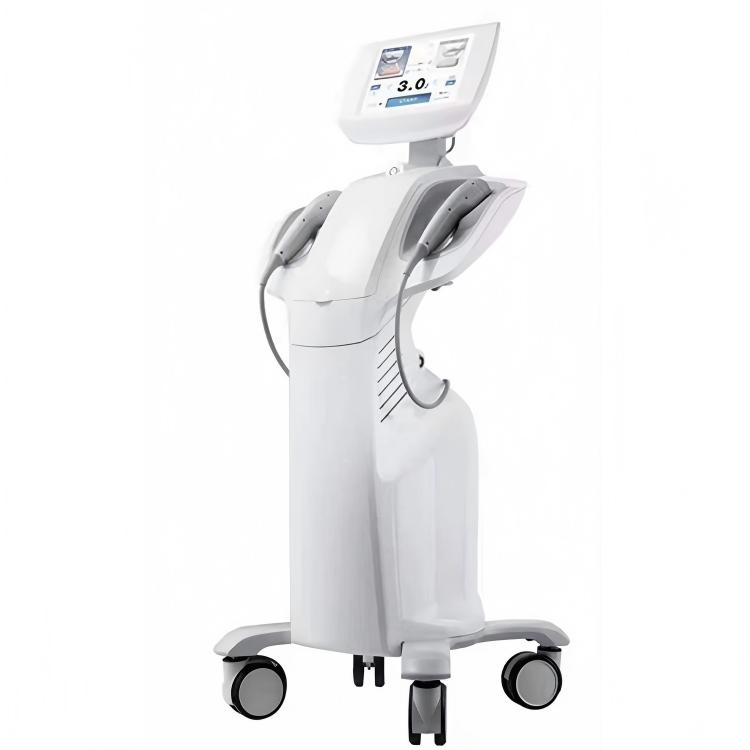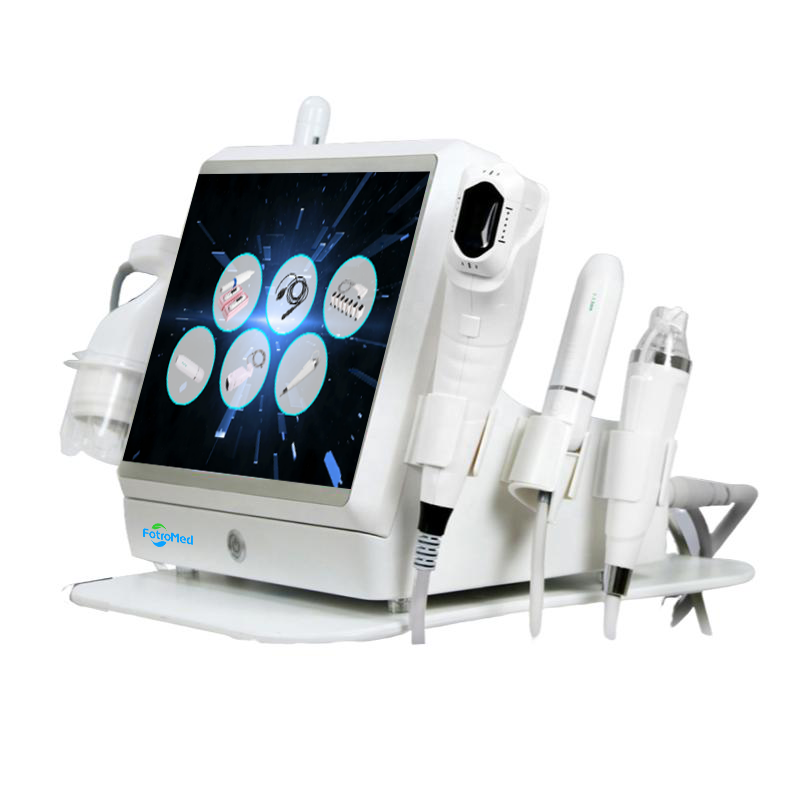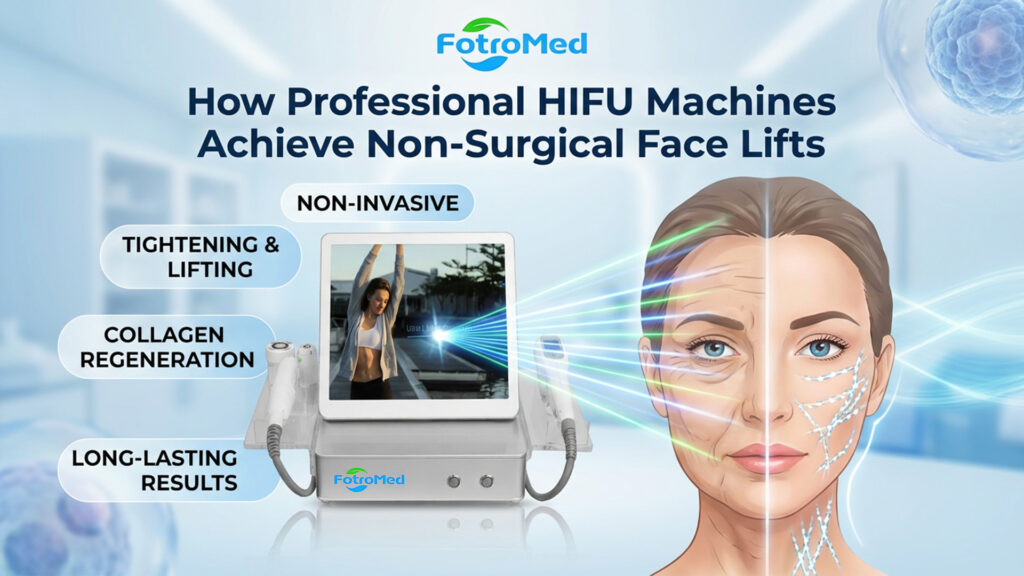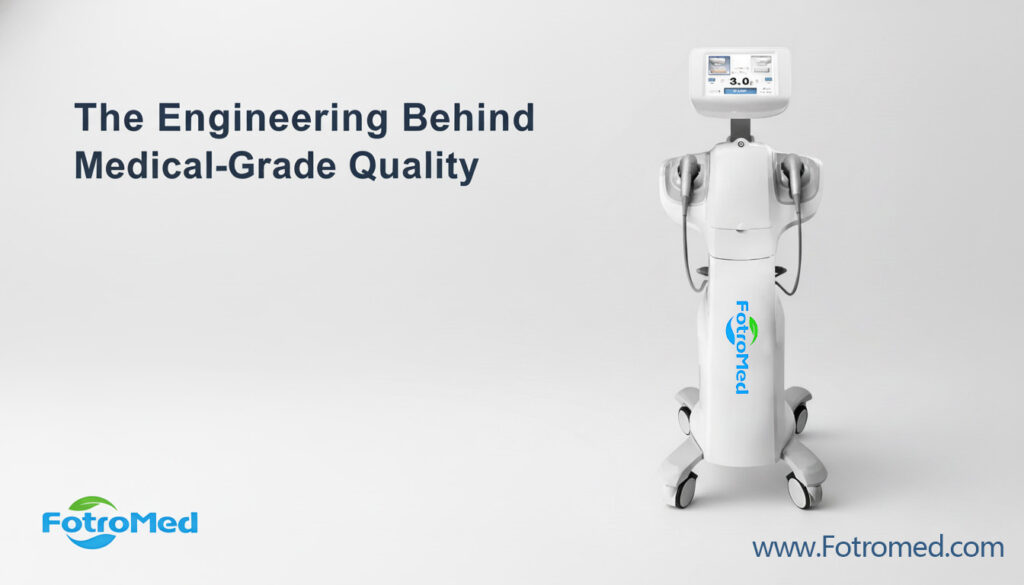
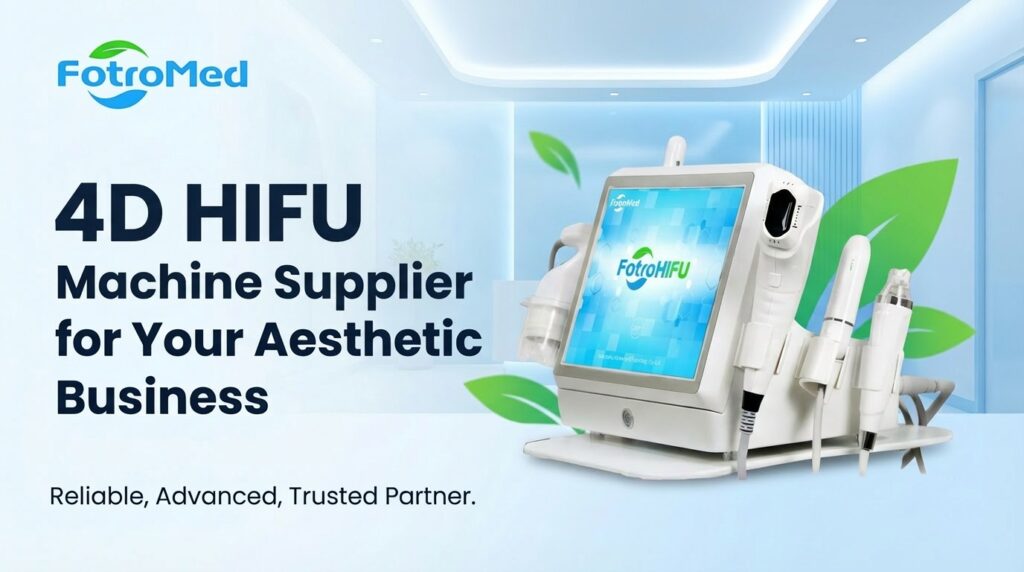
The aesthetic medicine industry is experiencing a seismic shift toward non-invasive procedures. According to recent data from the American Society of Plastic Surgeons regarding nonsurgical skin tightening trends, clinics are seeing a massive spike in demand for treatments that offer visible results without the downtime of surgery. Leading this charge is High-Intensity Focused Ultrasound (HIFU). For dermatology clinics, med-spas, and beauty salons, offering cutting-edge skin tightening and lifting services is no longer a luxury—it is a necessity to remain competitive. Among the various iterations of this technology, the 4D HIFU machine has emerged as a gold standard for its speed, precision, and versatility.
However, the surge in demand has flooded the market with manufacturers and distributors. Finding a reliable 4D HIFU machine supplier is critical not just for acquiring equipment, but for securing a long-term partnership that ensures clinical success, safety, and profitability. A subpar supplier can lead to frequent equipment downtime, poor clinical results, and safety hazards, whereas a premium partner empowers your business to thrive.
In this comprehensive guide, we will explore the technical superiority of 4D HIFU, analyze the critical factors for selecting a supplier, and demonstrate how Fotromed positions itself as a leader in the global aesthetic equipment market.
Understanding 4D HIFU Technology and Its Market Demand
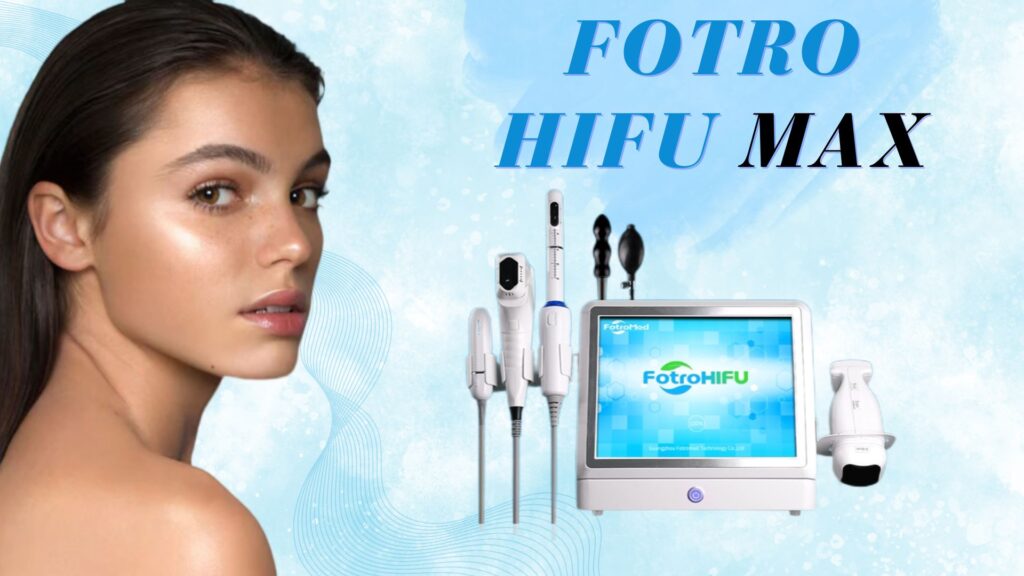
Before evaluating suppliers, it is essential to understand the product. According to the Cleveland Clinic, the High-Intensity Focused Ultrasound (HIFU) purpose is to use ultrasound energy to encourage the production of collagen, which results in firmer skin. 4D HIFU represents a significant evolution from these traditional therapies. While early models (like 3D HIFU) were revolutionary, they had limitations regarding treatment speed and the density of energy points.
The “4D” in 4D HIFU refers to the four dimensions of innovation:
- Length
- Width
- Depth
- Technological Innovation (Multi-line Capability)
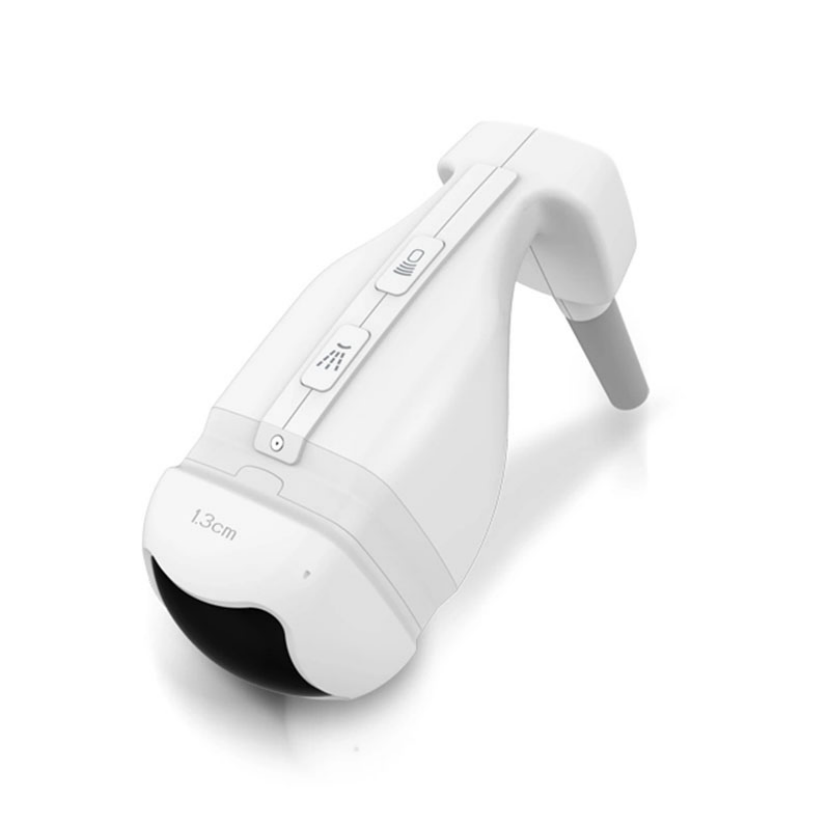
Unlike traditional single-line cartridges that require the operator to manually move the handpiece repeatedly to cover a small area, a 4D HIFU transducer can fire 11 to 12 lines of shots in a single press. This “mesh” of energy points creates a uniform coagulation zone in the SMAS (Superficial Muscular Aponeurotic System) layer much faster than previous generations.
Why Clinics Are Switching to 4D
- Reduced Treatment Time: A full-face and neck lift can be completed in 30–45 minutes, compared to 60–90 minutes with older devices.
- Higher Profit Margins: Faster turnover means more patients per day.
- Enhanced Patient Comfort: The advanced energy delivery systems in professional 4D machines are often less painful than older iterations.
Key Differences Between 3D, 4D, and 7D HIFU Technologies
To choose the right equipment, you must understand where 4D fits in the technological hierarchy. Many suppliers use confusing marketing jargon. Below is a structured comparison to clarify the differences.
Technology Comparison Table
| Feature | 3D HIFU | 4D HIFU | 7D HIFU (MFU) |
| Lines per Shot | 1 Line (Manual movement required) | 11-12 Lines (Matrix Grid) | Single/Multiple points (Micro/Macro focused) |
| Treatment Speed | Slow | Fast (High Efficiency) | Very Fast |
| Primary Advantage | Established technology, lower cost | Uniform coverage, reduced operator error | Specialized specifically for body contouring & small areas |
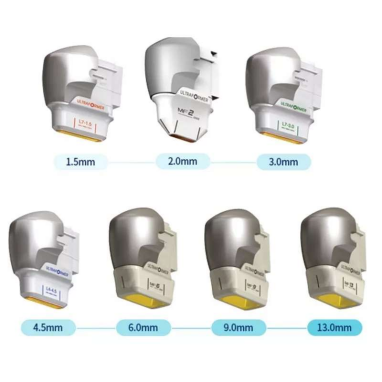
| Cartridge Depths | 1.5mm, 3.0mm, 4.5mm | 1.5, 3.0, 4.5, 6.0, 8.0, 10, 13, 16mm | Multiple depths including 2.0mm for eyes |
| Pain Level | Moderate to High | Low to Moderate | Low |
| Best For | Facial Lifting only | Face Lifting & Body Contouring | Face & Stubborn Body Fat |
Why 4D is the “Sweet Spot” for Most Clinics
While 7D is the newest entrant, 4D HIFU machines offer the most versatile balance for general aesthetic practices. They provide the multi-line capability that dramatically speeds up body treatments (like tightening abdominal skin) which single-line machines cannot handle efficiently. For a 4D HIFU machine supplier, this versatility is a key selling point because it allows their clients (you) to offer a broader service menu with a single device.
Critical Factors for Evaluating a 4D HIFU Machine Supplier
Selecting a supplier is a strategic business decision. The following criteria should guide your vetting process.
Certification and Quality Assurance
The medical aesthetic industry is strictly regulated. A reputable supplier must provide proof that their machines adhere to international safety standards. Extensive research published by the NCBI confirms the efficacy and safety of High-Intensity Focused Ultrasound largely depends on device calibration and quality control.
- CE Certification: Essential for European markets and a strong indicator of safety compliance globally.
- ISO 13485: This is the standard for medical device quality management systems.
- FDA Clearance (where applicable): For the US market, this is non-negotiable.
Warning Sign: If a supplier hesitates to show you their certificates or if the documents look generic without specific model numbers, walk away.
Comprehensive Training and Clinical Support
Even the most advanced 4D HIFU machine is useless if your staff cannot operate it safely. The outcome of a HIFU treatment is heavily operator-dependent.
- Onboarding: Does the supplier offer video tutorials, user manuals, and live training sessions?
- Protocols: Do they provide detailed parameter settings for different skin types and treatment areas?
- Certification: Will your staff receive a certificate of training upon completion?
At Fotromed, we understand that clinical confidence leads to better patient results, which is why we emphasize in-depth training resources for our partners.
Warranty and After-Sales Service
Aesthetic machines are high-usage devices. Wear and tear is inevitable.
- Warranty Duration: A standard warranty is 12 months, but premium suppliers often offer 24 months.
- Spare Parts Availability: Does the supplier stock parts? If a handpiece breaks, can they ship a replacement within 48 hours?
- Technical Support: Is there an English-speaking engineering team available for troubleshooting?
Cartridge Cost and Consumables
The “razor and blade” business model is common in aesthetics. You might buy a machine cheaply, but the replacement cartridges could be exorbitantly priced.
- Shot Count: A standard 4D cartridge should offer 10,000 to 20,000 shots.
- Cost Per Shot: Calculate your ROI based on the consumable cost. A good supplier offers reasonably priced replacement cartridges to ensure your profit margins remain healthy.
Why Fotromed Stands Out as a Trusted 4D HIFU Supplier
At Fotromed, we position ourselves not just as a vendor, but as a strategic partner for your aesthetic business. Our commitment to quality and innovation makes us a preferred 4D HIFU machine supplier for clinics worldwide.
Advanced Technology Integration
Our flagship devices, such as the FotroHIFU Max and FotroHIFU Dual, integrate multiple technologies into a single platform. We combine 4D multi-line technology with V-Max (radar carving) and Liposonix capabilities. This allows practitioners to treat large areas (like the abdomen) with the 4D handle and switch to the V-Max handle for delicate areas like the periorbital (eye) region.
Uncompromised Quality Control
Every machine that leaves our facility undergoes rigorous testing. From energy output stability to touchscreen responsiveness, we ensure that your equipment performs perfectly from day one.
Global Logistics and Support
We have established a robust logistics network to ensure timely delivery of machines and consumables. Our support team is trained to handle technical queries swiftly, minimizing downtime for your business.
To explore our full range of advanced aesthetic solutions, visit our HIFU Machines Category.
Maximizing ROI with Professional 4D HIFU Equipment
Investing in a high-quality 4D HIFU machine yields a high Return on Investment (ROI) if managed correctly. Healthline provides excellent resources detailing HIFU facial costs and market expectations, which can help you price your services competitively. Here is a breakdown of the financial potential.
Revenue Potential Analysis
- Average Treatment Price (Face & Neck): $800 – $1,500 per session.
- Treatment Time: 45 Minutes.
- Consumable Cost: Approx. $30 – $50 per session (depending on shot count).
- Net Profit: ~$750 – $1,450 per hour.
Visualizing the ROI Curve
Imagine a graph where the X-axis represents ‘Months’ and the Y-axis represents ‘Net Profit’.
With a reliable 4D machine, the “break-even point” is typically reached within the first 2 to 3 months of operation, assuming just 2-3 treatments per week. Beyond this point, the revenue generation is almost purely profit, minus the minor cost of cartridge replacements.
Expanding Your Menu
A 4D HIFU machine allows you to market multiple treatments:
- Non-surgical Facelift.
- Jawline Sculpting.
- Double Chin Reduction.
- Body Contouring (Stomach, Thighs, Arms).
- Skin Tightening (Post-pregnancy bellies).
By marketing these diverse applications, you attract a wider demographic, from young professionals seeking preventative care to mature clients seeking corrective treatments. You can learn more about the specific capabilities of our top-tier device, the FotroHIFU Max, designed for high-volume clinics.
The Importance of Cartridge Versatility
A defining feature of a superior 4D HIFU machine supplier is the variety of cartridges they offer. Standard 3D machines typically stop at 4.5mm depth (SMAS layer). However, body treatments require deeper penetration to reach subcutaneous fat.
Essential Cartridge Depths:
- 1.5mm: Dermis (Fine lines, pores, skin tone).
- 3.0mm: Subcutaneous fat/Derma (Collagen stimulation).
- 4.5mm: SMAS Layer (The “Lifting” layer).
- 6.0mm – 16.0mm: Body depths for fat reduction and contouring.
When vetting a supplier, ensure their 4D machine supports body cartridges (6mm, 8mm, 10mm, 13mm, 16mm). Without these, your ability to perform body contouring is severely limited.
FAQ
How does 4D HIFU compare to Radiofrequency (RF)?
While RF targets the superficial layers of the skin to improve texture, HIFU penetrates deeper to the SMAS layer to provide structural lifting. They are complementary treatments. 4D HIFU provides the “lift,” while RF provides the “polish.” For a combination approach, consider our Multi-Functional Aesthetic Equipment which pairs different modalities.
Is the treatment painful for patients?
Modern 4D HIFU technology is much more comfortable than older generations. Medical News Today outlines what to know about HIFU facials, noting that while some discomfort is possible, modern devices have significantly reduced pain levels compared to early prototypes. Most patients describe it as a “prickly” heat or slight ache, which is very tolerable.
What is the lifespan of a 4D HIFU cartridge?
Most high-quality 4D cartridges provided by Fotromed offer 10,000 to 20,000 shots. A typical full-face treatment uses 400–600 shots, meaning one cartridge can treat approximately 20–40 patients.
Can I buy a home-use HIFU machine instead?
Professional-grade machines differ vastly from home-use devices in terms of power (Joules) and depth precision. Home devices cannot reach the SMAS layer safely or effectively. For a clinic, only a professional 4D HIFU machine supplier can provide the medical-grade power required for visible results.
How quickly can I get technical support?
At Fotromed, we pride ourselves on responsiveness. You can reach our support team via our Contact Us page for immediate assistance regarding parts, servicing, or training.