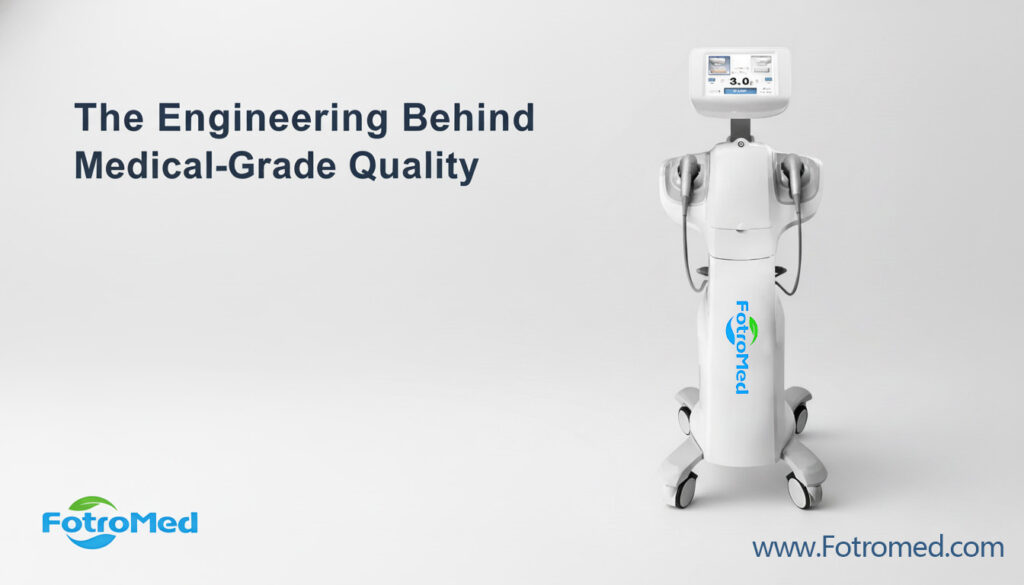
Why Your Supplier Choice Matters
In the competitive landscape of Australian aesthetics, the equipment you choose defines your clinic’s reputation. As a practice owner or aesthetician, sourcing a High-Intensity Focused Ultrasound (HIFU) device is one of the most significant investments you will make. The market is flooded with options, ranging from low-cost, unregulated imports to premium medical-grade systems.
Selecting the right hifu machine supplier in Australia is not just about finding a device; it is about securing a partnership that guarantees safety, compliance, and ongoing support. Your supplier must provide equipment that meets strict Australian standards while offering the training necessary to deliver transformative results for your clients.
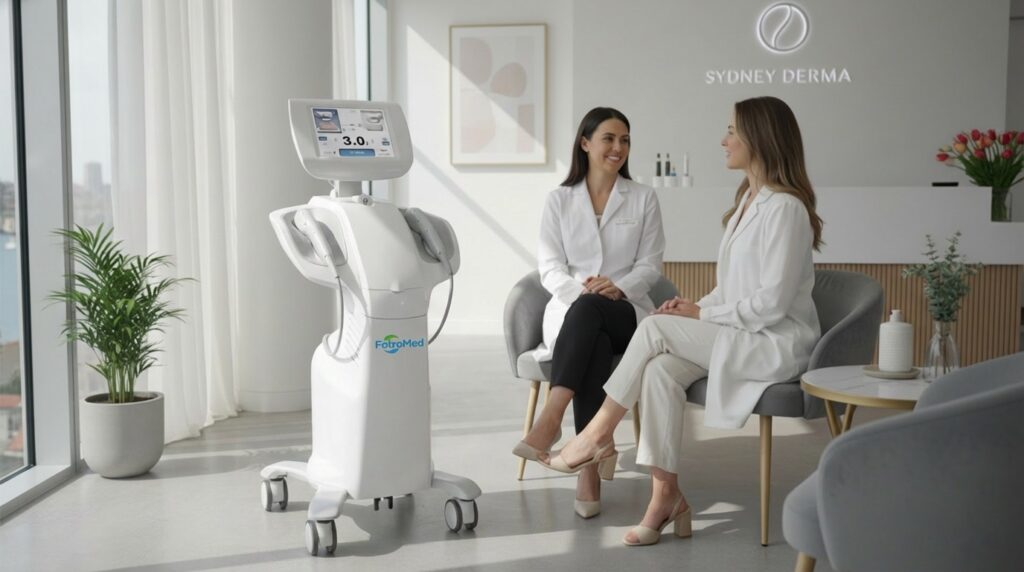
HIFU Technology: A Quick Primer for Professionals
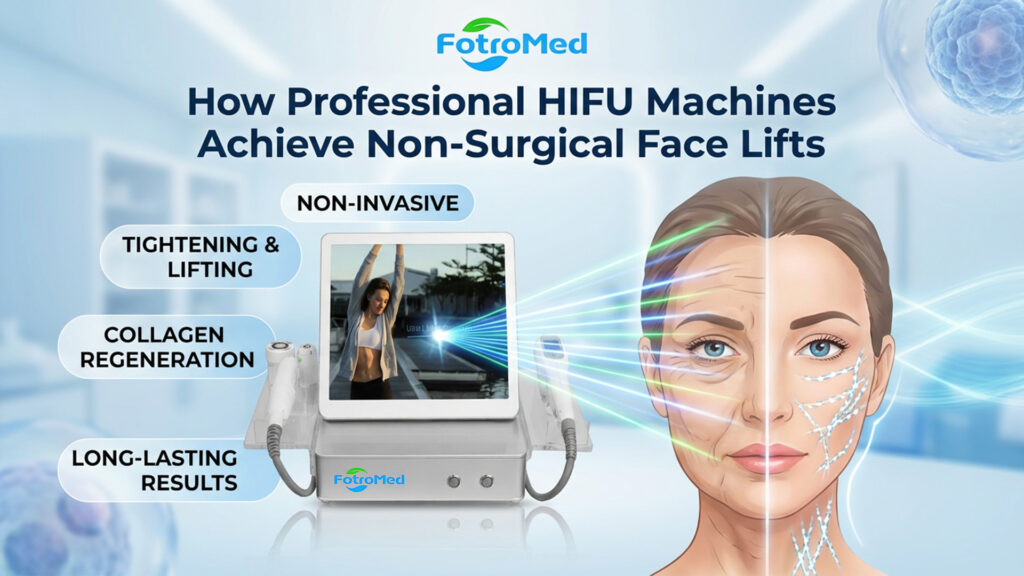
Before committing to a purchase, it is vital to understand the technological nuances that differentiate professional devices. HIFU stands for High-Intensity Focused Ultrasound, a technology that delivers precise thermal energy to the SMAS (Superficial Musculoaponeurotic System) layer of the skin—the same layer surgeons tighten during a facelift.
The Science Behind High-Intensity Focused Ultrasound
Unlike lasers that treat the skin’s surface, HIFU bypasses the epidermis to heat the underlying tissue to temperatures between 60°C and 70°C. This thermal coagulation stimulates the body’s natural wound-healing response, triggering rapid collagen and elastin production.
For a deep dive into the biological mechanisms of ultrasound skin tightening, you can reference studies from the National Center for Biotechnology Information (NCBI). Understanding this science allows you to explain the “non-surgical facelift” effect to your clients with authority.
4D vs. 7D vs. 9D: Cutting Through the Marketing Noise
The aesthetic industry is notorious for confusing terminology. You will often see suppliers advertising 4D, 7D, or even 12D machines. Here is a breakdown to help you cut through the hype:
| Feature | Standard 4D HIFU | Advanced 7D (MFU) | “9D/12D” Marketing Terms |
| Technology | Multi-line focused ultrasound | Micro & Macro Focused Ultrasound | Often rebranded standard tech |
| Precision | High | Ultra-High (Slimmer cartridges) | Varies by manufacturer |
| Treatment Areas | Face & Neck | Face, Body, & Delicate Areas | Broad claims |
| Pain Level | Moderate | Low (Faster shot speed) | Varies |
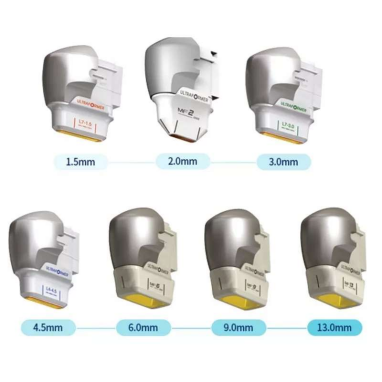
| Target Depths | 1.5mm, 3.0mm, 4.5mm | Adds 2.0mm, 6.0mm, 9.0mm, 13.0mm | Similar to 7D |
For clinics looking to stay ahead, we recommend focusing on the technology specs (transducer quality and shot speed) rather than just the “D” number. View our range of Advanced HIFU Systems to see real specifications.
Essential Compliance: The Importance of TGA Approval
Operating in Australia requires strict adherence to regulatory standards. The Therapeutic Goods Administration (TGA) governs medical devices to ensure they are safe for public use.
Risks of Non-Compliant Equipment
Using non-TGA listed devices for therapeutic purposes can lead to severe consequences, including:
- Legal Action: Heavy fines and potential closure of your practice.
- Insurance Void: Professional indemnity insurance often excludes treatments performed with unapproved devices.
- Client Safety: Unregulated machines may have inconsistent energy output, leading to burns or ineffective treatments.
Verification Steps for Clinic Owners
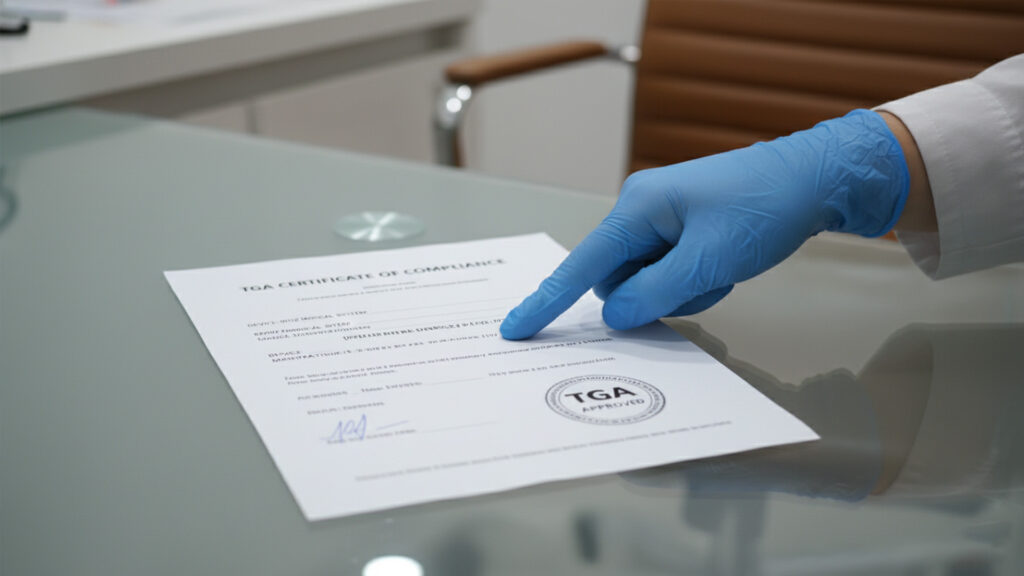
When evaluating a hifu machine supplier in Australia, always ask for the ARTG (Australian Register of Therapeutic Goods) number. You can verify this number independently on the TGA Website. A reputable supplier will have this documentation readily available.
Key Features to Look for in a Professional HIFU Device
Not all machines are created equal. To ensure high client retention and profitability, look for these specific features.
Cartridge Depth and Versatility
A professional-grade machine must offer multiple cartridges to treat different layers of the skin.
- 1.5mm: Targets the superficial dermis (fine lines, pores).
- 3.0mm: Targets the deep dermis (collagen stimulation).
- 4.5mm: Targets the SMAS layer (lifting and tightening).
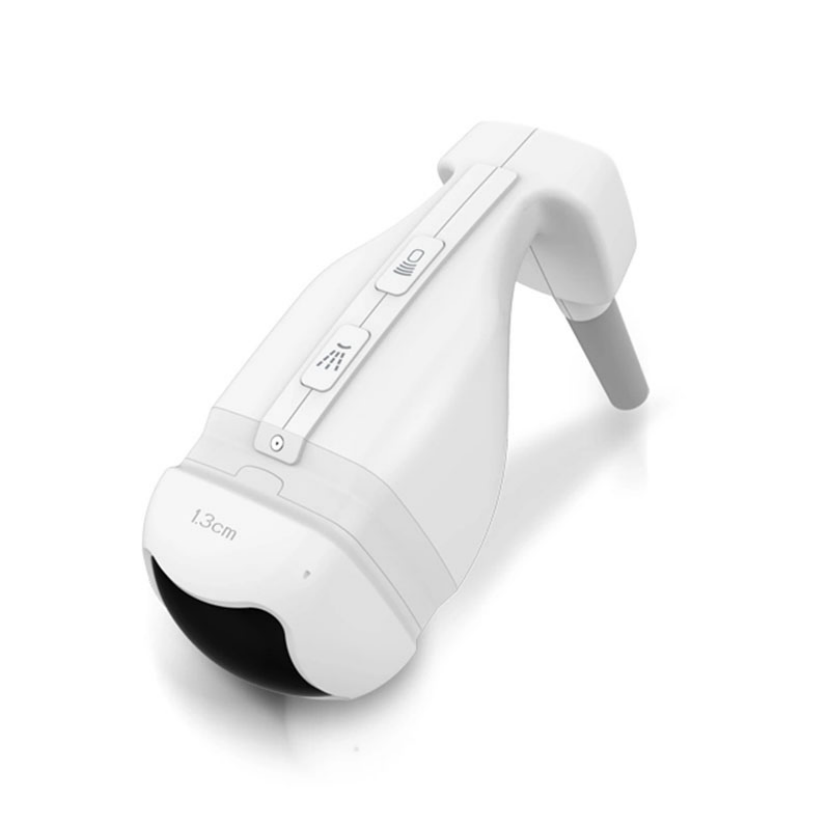
- Body Cartridges (6mm – 13mm): Essential for body contouring and fat reduction.
Browse our Body Contouring Solutions to see devices that come standard with these diverse cartridge options.
Shot Count and ROI Calculation
Consumables can eat into your profit margins. Compare the “cost per shot” of replacement cartridges. A machine might be cheap upfront but expensive to run if the cartridges have low shot counts (e.g., 5,000 shots vs. 20,000 shots).
User Interface and Training Support
Your staff needs to be confident using the equipment. Look for systems with intuitive touchscreens and pre-set protocols. Furthermore, the supplier must offer comprehensive training. At Fotromed, we prioritize education; learn more about our workshops on our Training and Support page.
Top HIFU Applications for Your Aesthetic Practice
Investing in a versatile HIFU machine allows you to offer a wide menu of services.
- Non-Surgical Facelift: Lifting the cheeks, jowls, and brows.
- Neck Tightening: reducing the “turkey neck” appearance.
- Décolletage Rejuvenation: Smoothing chest wrinkles.
- Body Sculpting: Reducing stubborn fat pockets on the abdomen, flanks, and thighs.
For a broader look at equipping your clinic, check out our guide on Essential Aesthetic Equipment.
Pricing and Return on Investment (ROI) Analysis
The price of a professional HIFU machine in Australia can range from $15,000 to over $60,000 depending on the brand and regulatory status.
While the initial outlay is significant, the ROI is rapid.
- Average Treatment Price: $600 – $1,500 per session.
- Consumable Cost: Approx. $30 – $60 per session.
- Profit per Client: ~$900.
If you treat just two clients a week, a high-quality machine can pay for itself in under 6 months. For financing options, visit our Finance and Leasing page.
Why Fotromed is Your Ideal Partner
As a leading hifu machine supplier in Australia, Fotromed combines medical-grade technology with local support. We understand the Australian market and the rigorous standards required by the Australian Radiation Protection and Nuclear Safety Agency (ARPANSA) regarding non-ionizing radiation safety (where applicable).
We don’t just sell a box; we provide a business solution. From marketing materials to technical maintenance, we are invested in your clinic’s success.
Conclusion
Choosing the right HIFU supplier is a strategic business decision. By prioritizing TGA compliance, verifying technology specifications, and calculating long-term ROI, you position your clinic for success. Fotromed stands ready to support your growth with premium equipment and expert guidance.
Ready to elevate your practice? Contact Us Today to discuss your clinic’s needs.
FAQ
Is HIFU safe for all skin types?
Yes, unlike some laser treatments that target melanin, HIFU targets the deep structural layers of the skin. This makes it generally safe for all Fitzpatrick skin types, though a consultation is always required. For general safety guidelines on cosmetic procedures, refer to the FDA Medical Devices database.
How do I know if a HIFU supplier is legitimate?
Legitimate suppliers will have a physical Australian address, a landline number, and clear TGA ARTG listings for their devices. Avoid suppliers who only communicate via WhatsApp or cannot provide local warranty support.
What is the difference between 3D, 4D, and 7D HIFU?
“3D” and “4D” usually refer to the number of lines a single shot can deliver (creating a grid). “7D” typically refers to newer Micro-Focused Ultrasound (MFU) technology which is faster and more comfortable.
Can HIFU machines be used for fat reduction?
Yes, specific cartridges (usually 6mm, 9mm, and 13mm) are designed to disrupt fat cells (adipocytes) through thermal coagulation, making it effective for body contouring.
Do I need a medical license to operate a HIFU machine in Australia?
Regulations vary by state. Generally, HIFU is considered a high-risk cosmetic procedure. While you may not always need to be a doctor, you often need specific certification or supervision. Always check with local health regulators and your insurance provider.