The world of beauty and anti-aging is changing fast. In the past, if a client wanted to lift sagging skin, their only real option was surgery. Today, that has changed. According to WebMD’s overview of non-surgical face lift options, patients are increasingly seeking procedures that offer visible results without the pain, risk, and long recovery time of going under the knife.
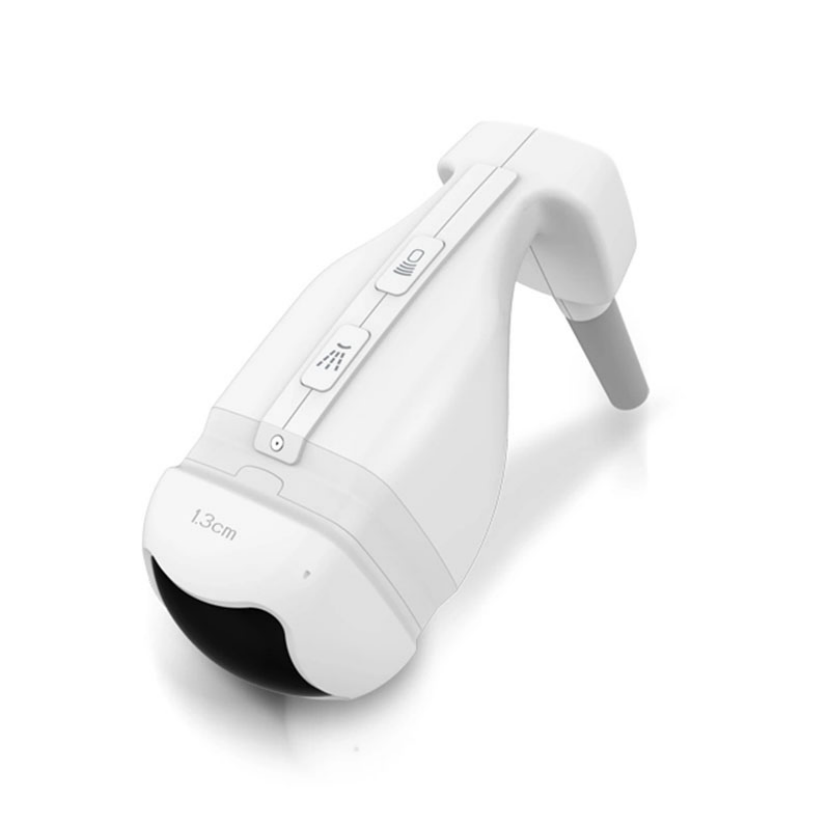
Leading this change is High-Intensity Focused Ultrasound (HIFU). This technology has become the top choice for non-invasive lifting. For clinic owners, understanding how this technology works is just as important as buying the equipment. You need to know the science to explain it to your clients and to choose the right equipment.
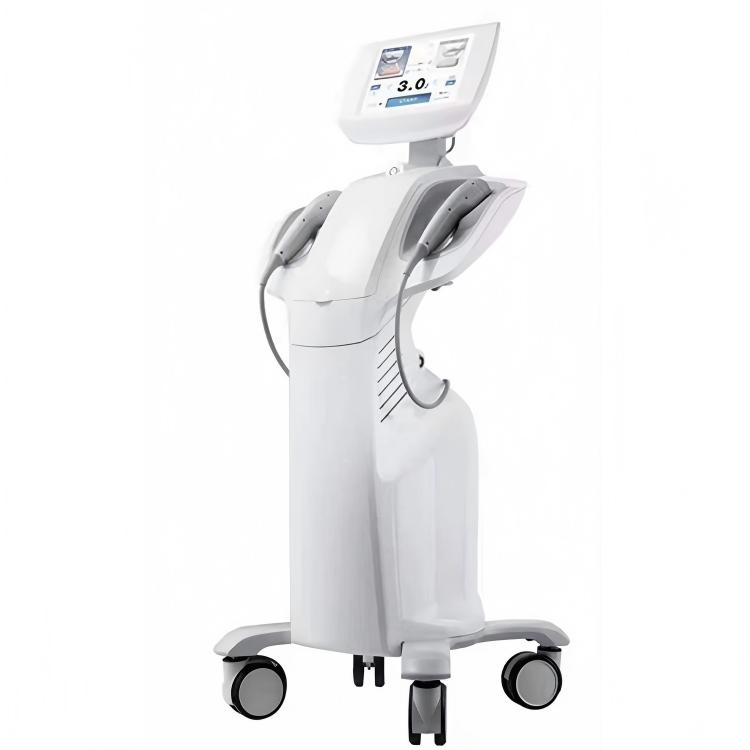
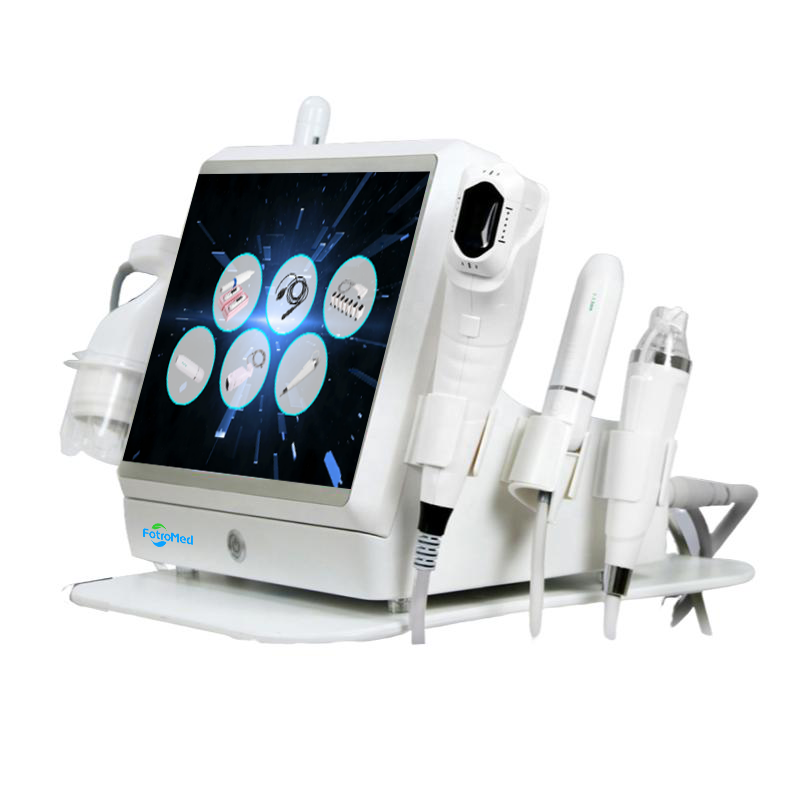
Finding a knowledgeable face lift hifu machine supplier is the first step. This guide will explain the technology in simple terms, show you how it targets the skin, and help you understand what makes a machine effective.
The Anatomy of a Face Lift: Targeting the Deep Layers
To understand why HIFU is so effective, we first need to look at the skin’s structure. Most anti-aging treatments, like lasers or standard radiofrequency, only treat the top layers of the skin (the surface). They are great for making the skin look smooth, but they cannot lift heavy, sagging skin.
The American Society for Dermatologic Surgery’s ultrasound therapy guide highlights that HIFU is unique because it targets a much deeper layer called the SMAS (Superficial Muscular Aponeurotic System).
What is the SMAS?
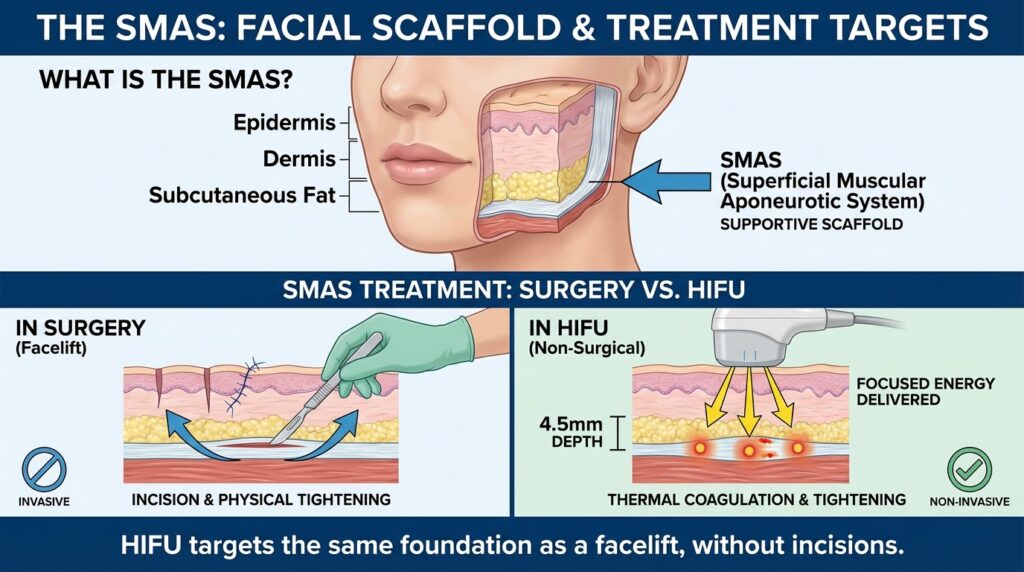
The SMAS is a layer of tissue and muscle deep beneath the skin. It acts like a scaffold for your face.
- In Surgery: When a plastic surgeon performs a facelift, they tighten this SMAS layer to pull the face up.
- In HIFU: The machine delivers energy directly to this same SMAS layer (about 4.5mm deep), tightening it without cutting the skin.
This ability to reach the “foundation” of the face is why HIFU is often called a “non-surgical facelift.”
The Physics: How Heat Creates a Lift
How does sound energy lift skin? The answer lies in heat.
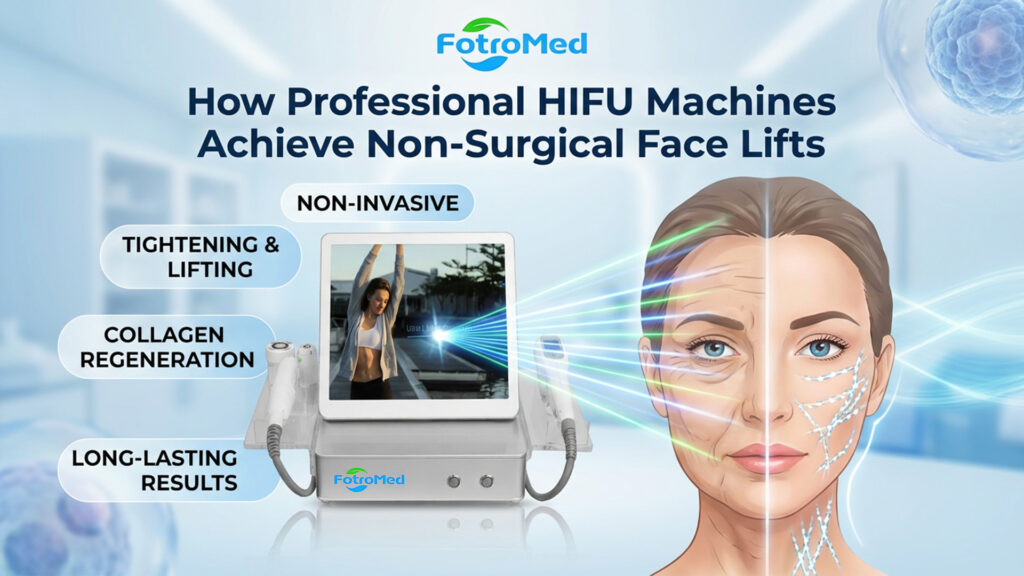
HIFU machines focus sound waves into a tiny, precise point under the skin. It is similar to using a magnifying glass to focus sunlight on a leaf. The surface of the glass (your skin) stays cool, but the focal point heats up instantly.
The “Sweet Spot” for Collagen
A study by the National Institutes of Health (NIH) evaluating the safety and efficacy of Micro-Focused Ultrasound confirms that the goal is to heat the tissue to between 65°C and 75°C.
- Why this temperature? This is the specific range where old collagen fibers contract (tighten) and the body is triggered to grow new collagen.
- The Result: The body starts a natural healing process called neocollagenesis. Over 3 to 6 months, new, stronger collagen is built, which lifts and tightens the face naturally.
Key Technical Features of Effective Machines
When you are looking for a face lift hifu machine supplier, you will see a lot of technical numbers. Here is what they actually mean for your results.
Precise Depth Control
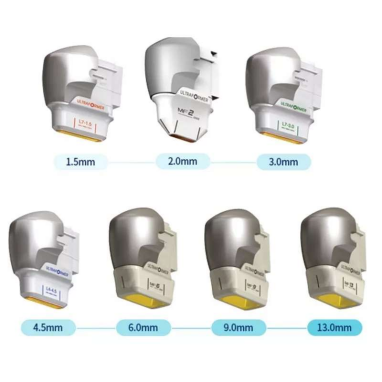
For a treatment to work, the energy must hit the exact right layers. A professional face lift typically uses three different “cartridges” to treat the skin at three different depths.
| Cartridge Depth | What It Does | Clinical Goal |
| 1.5 mm | Treats the upper skin layer | Smooths fine lines and shrinks pores. |
| 3.0 mm | Treats the middle layer | Tightens the skin and builds collagen. |
| 4.5 mm | Treats the SMAS layer | The Lifting Layer. Pulls and tightens the muscle fascia. |
Research published in the Journal of the American Academy of Dermatology on ultrasound tightening demonstrates that treating multiple depths yields significantly better lifting results than treating just one layer. If a supplier’s machine is not precise, it might miss these layers, leading to poor results or even burns.
The Evolution: From Old Tech to New Tech
HIFU technology has improved significantly over the years. As reported by Dermatology Times regarding updates in energy-based devices, the technology has evolved from slow, painful procedures to faster, more comfortable ones.
Traditional HIFU (Single Line)
Older machines could only fire one line of shots at a time. The operator had to manually move the handle for every single shot. This was slow and often led to uneven treatments.
4D and Matrix HIFU
Modern “4D” machines are much smarter. They can fire 11 or 12 lines in a single press, creating a perfect grid of energy points. This ensures the entire area is treated evenly and reduces the treatment time by half.
Micro-Focused Technology
The newest systems use “Micro-Focused” energy. This allows the energy points to be smaller and sharper. The benefit is that the patient feels less pain, but the energy is more concentrated for better lifting.
Safety and Patient Selection
Even though HIFU is safe, it is still a medical procedure. A responsible face lift hifu machine supplier will always emphasize safety training.
Who is the Best Candidate?
HIFU works best on patients with “mild to moderate” skin laxity. These are usually people aged 30 to 55 who are starting to see sagging around the jawline or eyebrows but are not ready for surgery.
Avoiding “Danger Zones”
There are nerves in the face that must be avoided. High-quality machines have very stable energy output to ensure the heat does not travel deeper than intended, protecting these nerves. Cheaper, low-quality machines often have unstable power, which can be risky.
Read more about our commitment to quality manufacturing on our About Us page.
Partnering with the Right Manufacturer
Choosing a supplier is about more than just the price of the machine. You are choosing a partner for your business. When you talk to a supplier, ask them about:
- Energy Stability: Does the machine keep the same power level for every single shot?
- Cartridge Life: How many shots do I get before I need to buy a new cartridge?
- Support: If I have a technical question, is there an expert I can talk to?
At Fotromed, we test every machine for 24 hours before it ships to ensure the power supply is perfect. This means you can treat your clients with confidence, knowing the machine will perform exactly as promised.
Conclusion
HIFU is a powerful tool that uses the science of focused ultrasound to create real, structural changes in the skin. It offers your clients a way to turn back the clock without surgery. However, the results are only as good as the technology you use.
By choosing a professional face lift hifu machine supplier that offers advanced, precise, and safe equipment, you are setting your clinic up for success.
Are you ready to add this high-demand service to your clinic? Contact Fotromed today to learn more about our professional HIFU solutions.
FAQ
Is HIFU better than Radiofrequency (RF) Microneedling?
While both technologies stimulate collagen, they target different tissue layers to achieve distinct results. Radiofrequency (RF) Microneedling primarily focuses on the dermis to improve surface texture and scars, whereas HIFU is unique in its ability to penetrate deeper to the 4.5mm SMAS layer for structural lifting. Many clinics successfully combine these treatments—using HIFU to anchor and lift the foundation, followed by RF to polish the skin surface—for a comprehensive non-surgical rejuvenation.
Does the treatment hurt?
Patient comfort has significantly improved with the evolution from older systems to modern 4D and 7D HIFU machines. Because these newer devices utilize rapid-shot technology, the energy is delivered too quickly for the nerves to register a sharp pain signal, resulting in a sensation often described as a momentary “prickle” or deep muscle ache rather than acute pain. For sensitive clients, a topical numbing cream applied 30 minutes prior to the session is usually sufficient to make the procedure entirely comfortable.
Can HIFU cause unwanted fat loss in the face?
Unwanted volume loss only occurs if the wrong depth is treated, which is why practitioner training and equipment precision are paramount. High-quality machines allow operators to strictly use 1.5mm and 3.0mm cartridges on low-volume areas like the cheeks to tighten skin without affecting the subcutaneous fat, reserving the deeper 4.5mm cartridge for the jawline and neck where lifting is the priority. A reliable supplier ensures their cartridges are calibrated to the exact specified depth to prevent accidental fat reduction.
How long do the results actually last?
While patients may see an immediate tightening effect due to mild thermal swelling, the true “lifting” results develop over 3 to 6 months as the body generates new collagen matrices. These results typically last between 12 to 18 months, depending on the patient’s natural aging process and lifestyle factors like sun exposure. Most clinics recommend establishing an annual maintenance protocol, performing one “top-up” session every year to sustain the lifted appearance long-term.
What are the common side effects?
The most common side effects are mild redness (erythema) and slight swelling immediately after the procedure, both of which typically subside within a few hours to a few days. More serious side effects, such as temporary nerve weakness, are extremely rare and are almost exclusively associated with using low-quality equipment with unstable energy or improper operator technique. By sourcing medical-grade devices and utilizing the safety protocols provided during Fotromed’s training, these risks are minimized effectively.