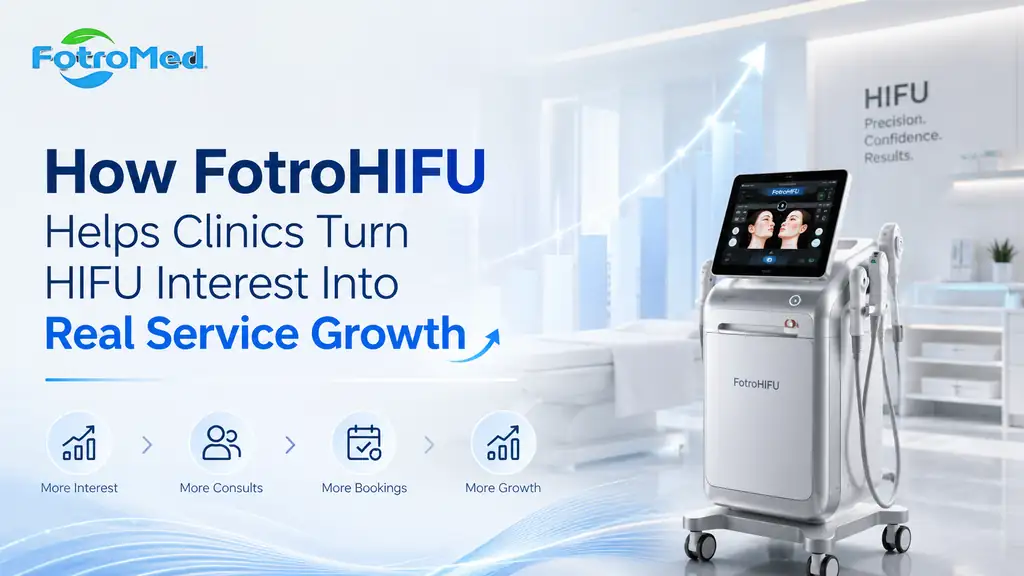
For many aesthetic clinics, adding or upgrading a HIFU machine is not just a device purchase. It is a business decision that affects treatment planning, staff training, client communication, cash flow, and long-term service confidence.
This customer success story looks at how FotroHIFU supported different clinics and practitioners as they moved from uncertainty to a clearer HIFU service plan. Their situations were not identical, but their concerns were similar: they needed reliable equipment, practical training, supplier support, and a treatment platform that could help them expand services responsibly.
Key Takeaways
- Clinics usually compare more than machine specifications before buying a HIFU device.
- The most common concerns include budget, training, product reliability, treatment menu fit, and after-sales support.
- FotroHIFU helped clinics choose suitable HIFU platforms such as UltraLift SD Compact, UltraLift 7D Pro, and FotroHIFU Dual based on their business needs.
- The main value was not only adding a new machine, but helping clinics launch or upgrade HIFU services with more confidence.
- A successful HIFU purchase should connect technology, training, client education, risk awareness, and ongoing support.
Customer Background: Different Clinics, Similar Buying Questions
The clinics in these cases came from different markets, including the UK, Australia, France, Croatia, and New South Wales. Some were solo or small aesthetic practices. Some were established beauty and wellness clinics. Others were led by experienced professionals who already offered advanced skin treatments.
Despite those differences, their buying questions were very similar.
In Tetionie’s HIFU upgrade story, one UK practitioner already had a loyal client base, but her older HIFU machine was becoming a limitation. The cartridges were running low, and replacing consumables did not feel like a long-term solution.
In Taylor’s clinic expansion story, another salon owner wanted to add HIFU services after clients began asking for non-surgical lifting. However, a previous poor experience with another aesthetic device made her cautious about reliability and supplier support.
A physician in Dr. Najeh’s UltraLift SD Compact case already had HIFU experience and wanted a more advanced and efficient system, but still had to manage equipment cost and staff training.
Other clinics wanted to expand their treatment menu with more advanced 7D HIFU or dual-technology HIFU services. The Fizio Talus 7D HIFU case focused on broader face and body applications, while the Facial Skin Specialist FotroHIFU Dual case showed how an experienced provider could add more precise face, neck, and delicate-area options.
For FotroHIFU, the work started with understanding these goals before recommending a device.
The Challenge: Clinics Need More Than a Machine
The biggest challenge was not simply choosing a HIFU machine. The real challenge was helping each clinic make a confident business decision.
Most clinic owners had practical concerns:
| Concern | Why It Matters |
|---|---|
| Equipment reliability | Clinics need a device they can build services around, not a machine that creates operational stress. |
| Training | Owners and staff need to understand treatment setup, protocols, and daily operation. |
| Budget | A device must fit the clinic’s cash flow and business stage. |
| Treatment menu | The machine should match the services clients are asking for. |
| Client communication | Clinics need a clear way to explain HIFU benefits, suitability, expectations, and the type of risk discussion that the FDA recommends for aesthetic devices. |
| After-sales support | Support after delivery often decides whether the device becomes easy to launch. |
This is why FotroHIFU approached these cases as service-building projects, not simple equipment transactions.
How FotroHIFU Matched the Right Device to Each Clinic
FotroHIFU recommended different HIFU platforms based on each clinic’s service goal.
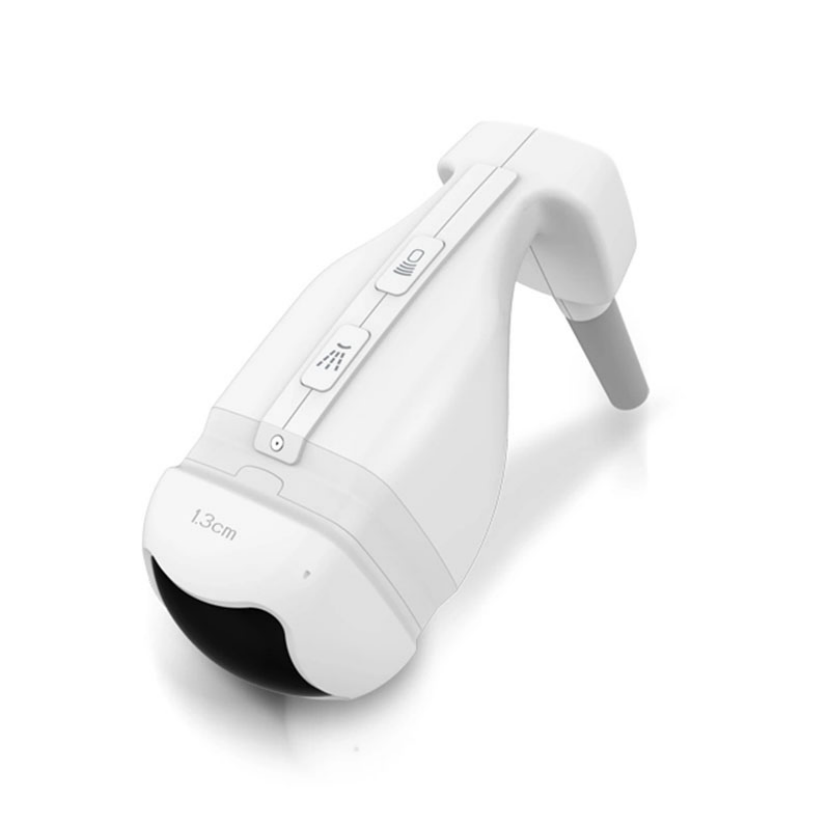
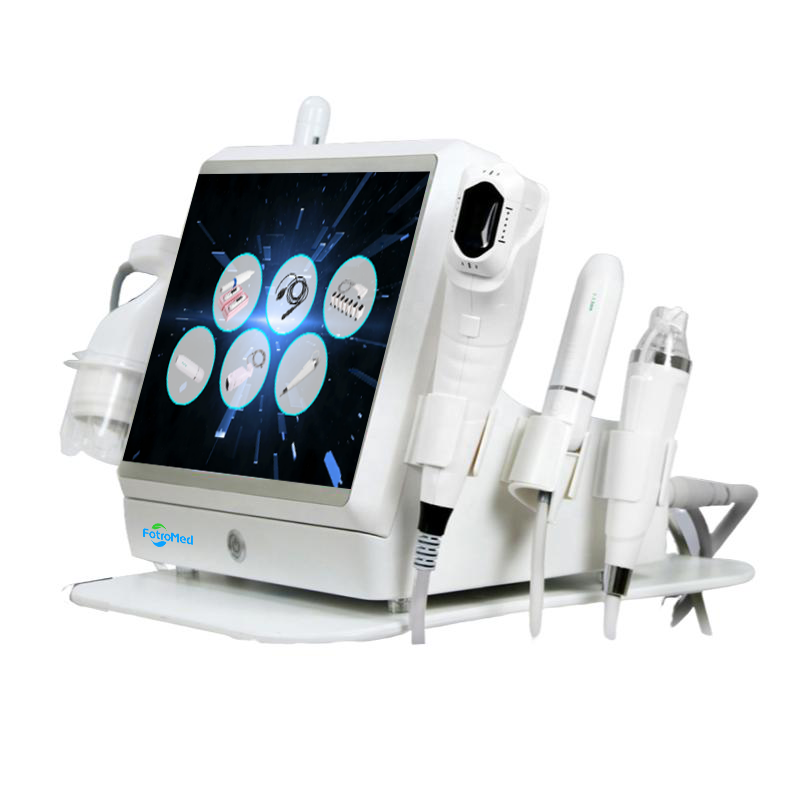
For clinics upgrading from older HIFU systems or adding their first professional HIFU service, UltraLift SD Compact was often the most practical option. It supports non-surgical lifting and tightening services in a compact format, while giving clinics face and body treatment flexibility. This made it especially relevant to cases like Tetionie’s HIFU upgrade, Taylor’s salon service expansion, and Dr. Najeh’s equipment upgrade.
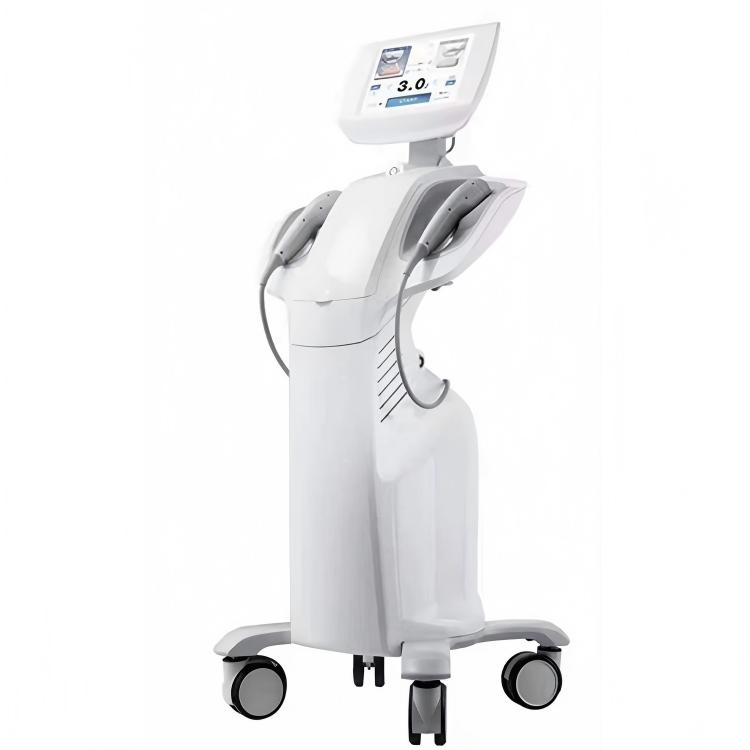
For clinics that wanted a more advanced treatment menu, UltraLift 7D Pro offered more depth options and broader face and body applications. This made it suitable for providers who wanted to position 7D HIFU as a higher-level service category. Clinical literature also supports careful, evidence-based positioning: a systematic review of microfocused ultrasound for facial skin tightening describes the technology as a non-invasive option, but still within a clinical evidence and suitability context.
For experienced providers who wanted both deeper lifting and more precise treatment options, FotroHIFU Dual offered a stronger fit. Its combination of 4D HIFU and Vmax precision technology gave the clinic more flexibility for suitable face, neck, delicate-area, and selected body protocols. For patient-facing education, Cleveland Clinic’s overview of ultrasound skin tightening is a useful example of explaining treatment areas in simple, cautious language.
The device choice depended on the clinic’s real business situation:
- If the clinic needed a practical upgrade path, UltraLift SD Compact made sense.
- If the clinic wanted broader 7D HIFU service positioning, UltraLift 7D Pro was more suitable.
- If the clinic needed a dual-technology platform for more detailed treatment planning, FotroHIFU Dual was the better match.
This matching process helped clinics avoid a common mistake: buying the most attractive machine on paper without checking whether it fits their clients, staff, and service plan.
Implementation: Training, Support, and Launch Readiness
FotroHIFU supported the clinics through the parts of the buying process that often create the most uncertainty.
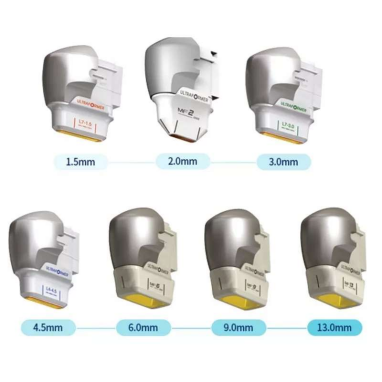
First, our team explained how each device could fit the clinic’s treatment goals. This included discussing face and body applications, treatment areas, cartridge or depth options, and how the device could support the clinic’s existing services.
Second, FotroHIFU provided training support. Depending on the case, this included product guidance, operation materials, treatment protocol explanation, maintenance information, and live online training. For clinic owners who were cautious because of previous supplier issues, this step was especially important.
Third, FotroHIFU helped buyers think about launch readiness. A clinic does not only need to know how to turn on a machine. It also needs to know how to introduce the service, explain suitability to clients, and set realistic expectations. This aligns with broader skin rejuvenation safety guidance that emphasizes trained professionals and careful treatment planning.
Fourth, ongoing communication helped clinics feel supported after delivery. This mattered because many questions appear during setup, first training, and early treatment planning rather than during the first sales conversation.
Business Value: Confidence Before, During, and After Purchase
The strongest business value was confidence.
For clinics upgrading older equipment, FotroHIFU helped turn a difficult replacement decision into a structured service upgrade. Instead of continuing to invest in outdated equipment or temporary consumable solutions, the clinic could move toward a clearer long-term HIFU plan.
For clinics adding HIFU for the first time, the value was launch support. Training materials, product explanation, and supplier communication helped owners feel more prepared before introducing the service to clients.
For advanced clinics, the value was service expansion. UltraLift 7D Pro and FotroHIFU Dual helped these clinics present broader non-surgical lifting options, including face, neck, and selected body treatments where suitable.
The outcome should be described carefully. These cases do not prove fixed revenue growth or identical treatment results for every client. A more accurate conclusion is that the right HIFU platform, combined with training and support, can help clinics add or upgrade a professional treatment category with less uncertainty.
What Other Clinic Owners Can Learn
Clinic owners considering a HIFU machine should evaluate the full service plan, not just the product page.
Before buying, ask these questions:
- What client demand am I trying to serve?
- Which treatment areas do I want to include in my HIFU menu?
- Do I need an entry-level upgrade, advanced 7D HIFU, or a dual-technology platform?
- What training will my team need before offering the treatment?
- How will I explain HIFU suitability and expectations to clients?
- What kind of support will I receive after the machine arrives?
- Does the payment plan fit my clinic’s business stage?
These questions help protect the clinic from buying a machine that looks good but does not fit daily operations.
Why FotroHIFU’s Support Model Matters
FotroHIFU’s role is to help clinics make a device choice that connects with real service goals.
For some clinics, that means a compact and practical HIFU upgrade. For others, it means a more advanced 7D platform. For experienced providers, it may mean a dual-technology system that supports more customized treatment planning.
In each case, the same principle applies: the device must be matched with training, consultation, and after-sales support.
This is especially important in B2B aesthetic equipment. Clinics are not buying for personal use. They are buying a tool that staff must learn, clients must understand, and the business must be able to support over time.
Conclusion
FotroHIFU helped these clinics move from equipment uncertainty to clearer HIFU service growth. Some needed to replace outdated machines. Some wanted to add HIFU for the first time. Others wanted more advanced or more flexible treatment platforms.
The common thread was support. By helping clinics choose the right device, understand the training path, and prepare for service launch, FotroHIFU helped turn a machine purchase into a more complete business upgrade.
If your clinic is comparing professional HIFU machines, contact FotroHIFU to discuss your treatment goals, team training needs, and the device option that best fits your service plan.
FAQ
What kind of clinics can use FotroHIFU devices?
FotroHIFU devices are designed for professional aesthetic clinics, salons, wellness centers, and trained providers who want to offer non-surgical HIFU lifting or tightening services.
Which FotroHIFU device is suitable for a small clinic?
UltraLift SD Compact is often a practical option for smaller clinics that want a professional HIFU platform with face and body treatment flexibility.
When should a clinic consider UltraLift 7D Pro?
A clinic should consider UltraLift 7D Pro when it wants a more advanced 7D HIFU service menu with multiple treatment depths and broader face and body applications.
What is the advantage of FotroHIFU Dual?
FotroHIFU Dual combines 4D HIFU and Vmax precision technology, giving trained providers more flexibility for suitable face, neck, delicate-area, and selected body treatments.
Does FotroHIFU provide training support?
Yes. FotroHIFU can provide product guidance, operating materials, treatment protocol explanation, maintenance information, and online training support when needed.
What should clinics prepare before buying a HIFU machine?
Clinics should prepare a treatment menu plan, staff training plan, client consultation process, budget range, and questions about after-sales support before purchasing.