
Solusi OEM dan ODM untuk Merek Anda
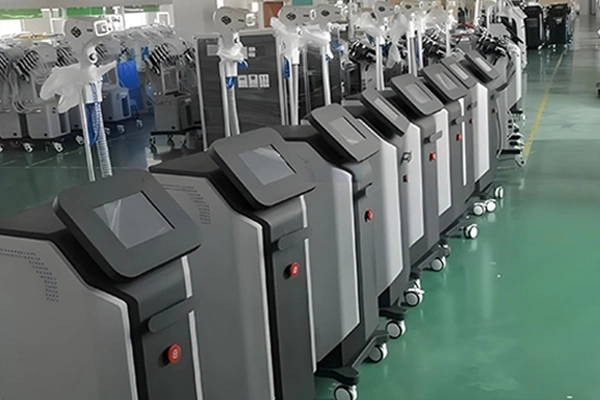
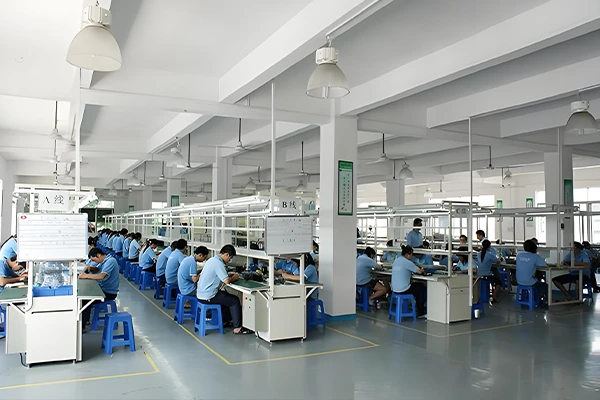
FotroHIFU telah mendukung 1.500+ klien dengan solusi peralatan estetika yang disesuaikan. Didukung oleh pabrik seluas 3.000 m², sistem mutu tersertifikasi ISO 13485, dan tim inti dengan pengalaman rata-rata 20+ tahun, kami mendukung proyek HIFU mulai dari pelabelan privat hingga pengembangan produk secara penuh melalui proses rekayasa dan pengujian yang terdefinisi. Hal ini mengurangi risiko proyek dan memperpendek waktu implementasi: distributor dapat membangun lini produk yang lebih terdiferensiasi, sementara klinik dan medspa menerima sistem HIFU yang lebih sesuai dengan menu perawatan, alur kerja, dan penentuan posisi merek mereka.
Temukan Solusi OEM dan ODM Mesin HIFU yang Tepat
Mulai dari kustomisasi merek hingga desain ulang produk, pilih tingkat yang sesuai dengan pasar, jadwal, dan volume pesanan Anda.
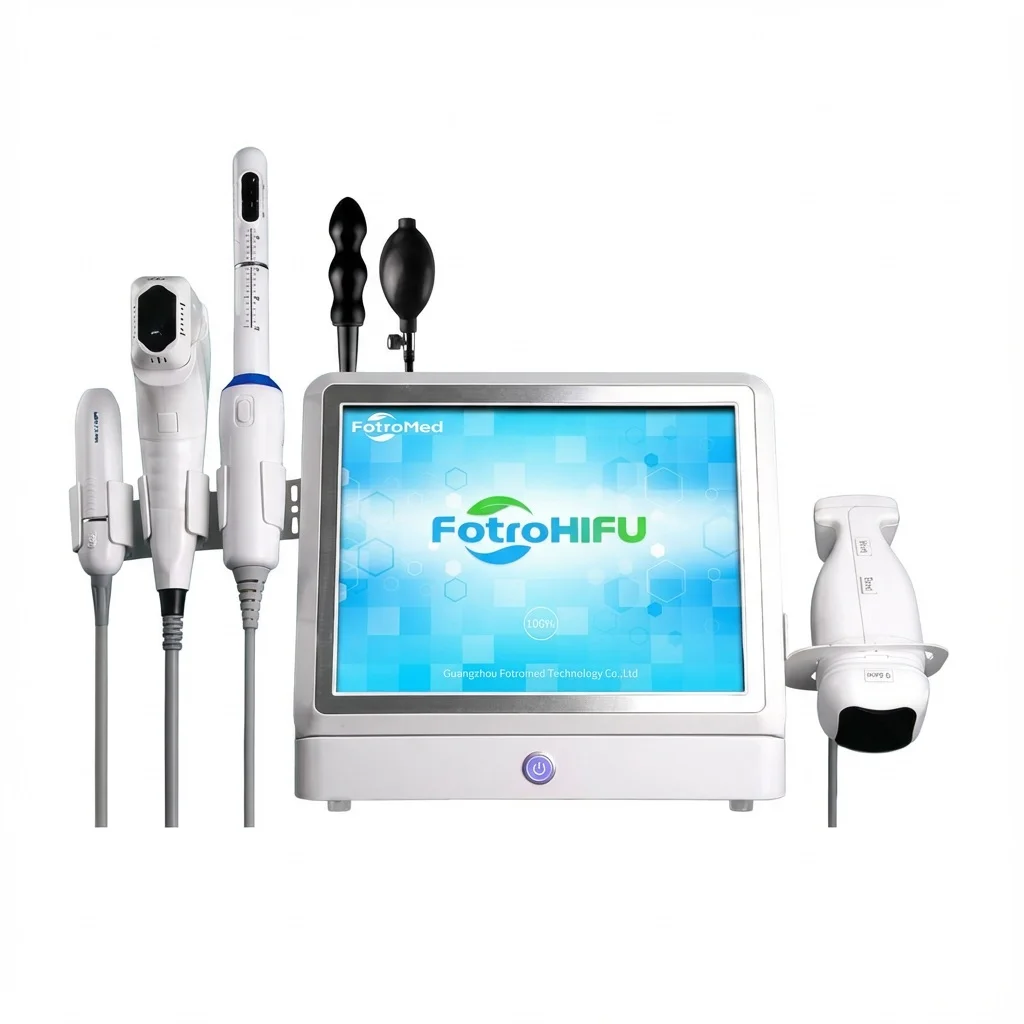 Layar awal
Area logo
Layar awal
Area logo
Peluncuran merek
Pertahankan platform yang telah ada dan tambahkan identitas merek yang jelas pada bagian yang dilihat pelanggan.
- Logo, nama produk, nama model, pelat nama, dan label serial
- layar pembuka, branding antarmuka dasar, dan bahasa lokal yang didukung
- kombinasi warna, trim, dan panel yang tersedia tanpa tooling baru
- label karton, sampul manual, dan materi penjualan dasar
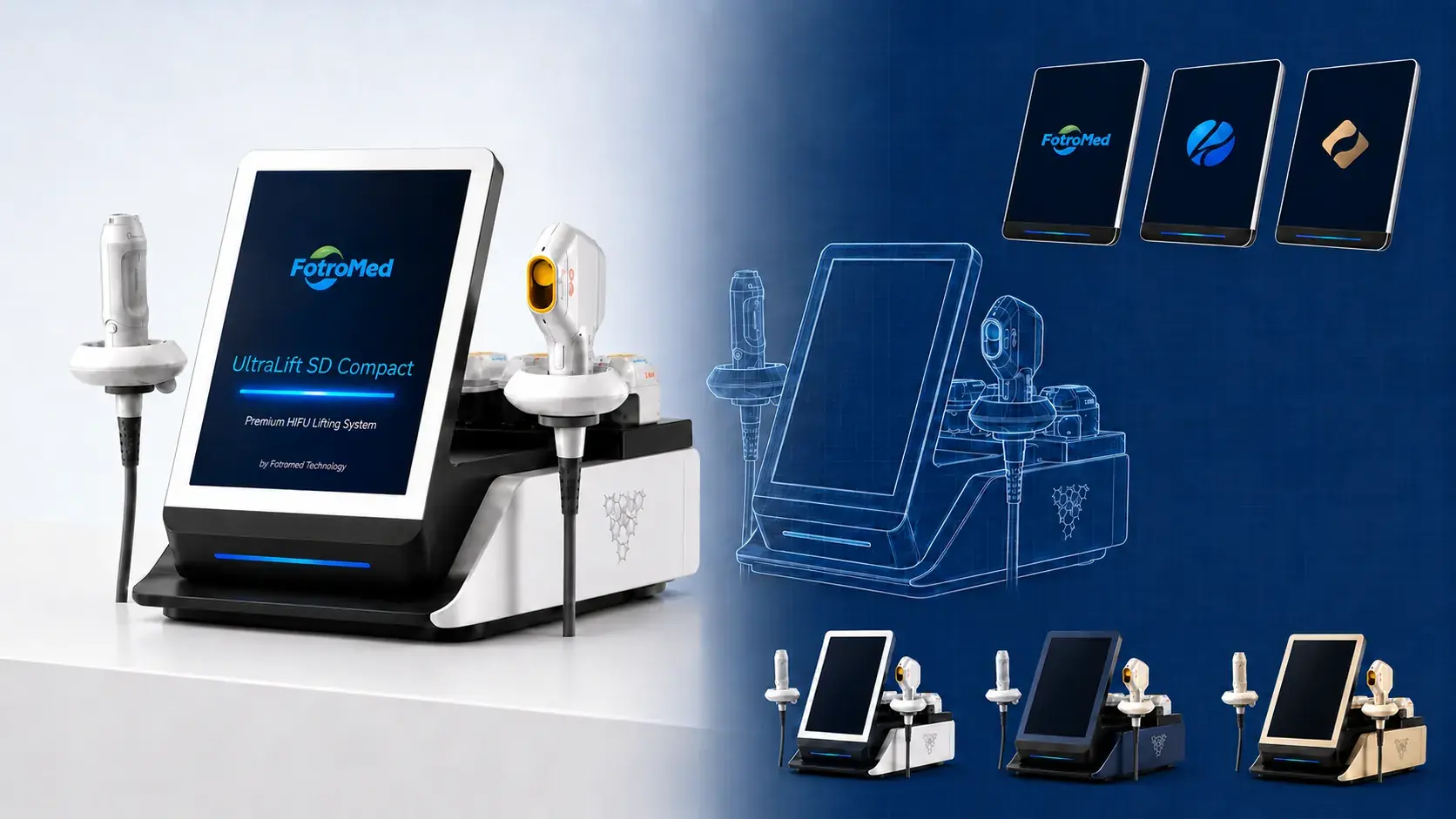 Kemasan merek
Sistem private label
Koordinasikan mesin, antarmuka, manual, kemasan, pelatihan, dan materi penjualan sebagai satu sistem merek.
- Tema merek, tata letak antarmuka, layar pembuka, dan terminologi lokal yang telah ditinjau
- warna, finishing permukaan, trim, dan penyajian aksesori yang dipilih
- materi pelatihan bermerek, menu perawatan, dan aset peluncuran
- satu versi yang disetujui untuk artwork, teks antarmuka, label, kemasan, dan konfigurasi
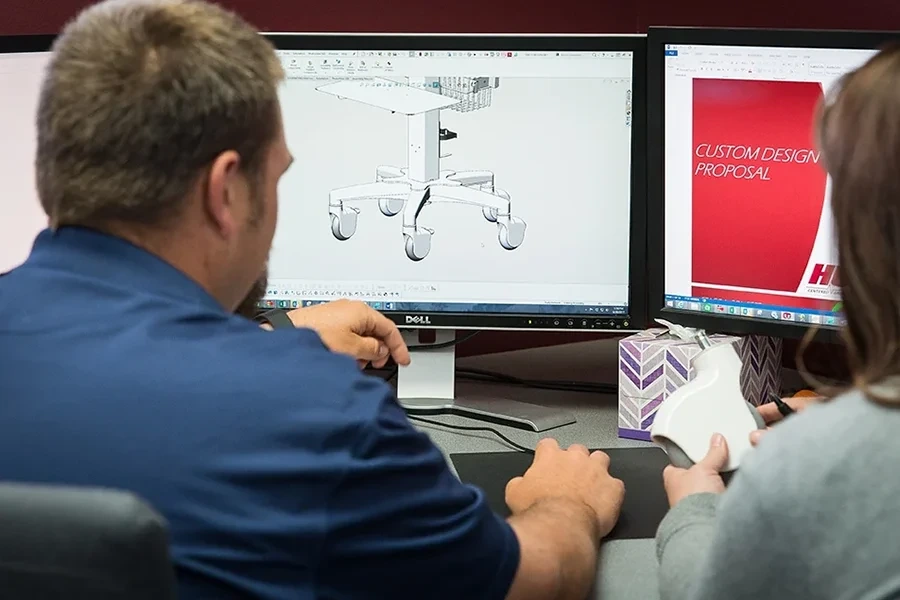 Arah desain
Pengembangan ODM
Kembangkan produk yang berbeda melalui pekerjaan desain industri, struktur, aksesori, dan perangkat lunak yang layak.
- Casing, bingkai layar, dudukan handpiece, roda, pendinginan, dan tata letak komponen
- strategi material baru, handpiece khusus, atau sistem aksesori
- alur antarmuka, logika pengoperasian, dan fungsi perangkat lunak yang layak
- prototipe, tooling, produksi percontohan, validasi, dan rekayasa kemasan
Pertahankan platform yang telah ada ketika kecepatan menjadi prioritas. Masuk ke pengembangan yang lebih mendalam hanya jika kebutuhan pasar, perencanaan kepatuhan, volume tahunan, dan diferensiasi produk membenarkan pekerjaan rekayasa tambahan.
Bandingkan tiga tingkat kustomisasi.
Permintaan yang sama dapat melibatkan kedalaman yang berbeda pada setiap tingkat. Kelayakan akhir bergantung pada platform peralatan, versi perangkat lunak saat ini, dan peninjauan dampak kepatuhan.
| Item kustomisasi | TINGKAT 1 | LEVEL 2 | TINGKAT 3 |
|---|---|---|---|
| Logo perangkat / nama produk | Termasuk | Termasuk | Termasuk |
| Pelat nama / label serial | Termasuk | Termasuk | Termasuk |
| Layar awal | Branding dasar | Tema merek lengkap | Alur pengoperasian kustom |
| Bahasa lokal | Jika didukung oleh perangkat lunak saat ini | Tinjauan terminologi lengkap | Cakupan perangkat lunak kustom |
| Warna casing / lis | Opsi yang ada | Warna dan lapisan akhir yang ditentukan | Desain dan perkakas baru |
| Kemasan / buku petunjuk | Branding dasar | Label pribadi lengkap | Sistem kemasan terekayasa |
| Materi penjualan | Bahan dasar | Kit penjualan bermerek | Sistem peluncuran lengkap |
| Materi pelatihan | Konten standar dengan logo | Konten pelatihan bermerek | Sistem alur kerja khusus |
| Tata letak handpiece / dudukan | Tidak diubah | Penyesuaian terpilih | Desain ulang rekayasa |
| Konfigurasi internal | Tidak diubah | Opsi terkontrol | Rekayasa proyek |
| Dokumen teknis | Cakupan platform yang ada | Tinjauan terhadap model akhir | Jalur dokumen khusus |
| Tinjauan dampak kepatuhan | Pemeriksaan dasar | Pembekuan konfigurasi | Kontrol perubahan formal |
Penting: Laporan yang ada tidak otomatis mencakup setiap hasil kustomisasi. Perubahan pada komponen listrik, logika keselamatan perangkat lunak, struktur, catu daya, handpiece, atau tujuan penggunaan dapat memerlukan penilaian tambahan atau pengujian pihak ketiga.
Siapkan ringkasan proyek untuk mendukung penawaran yang bermanfaat.
Jelaskan produk, pasar, jalur regulasi, dan target komersial terlebih dahulu. Hal ini memungkinkan Fotromed memisahkan pekerjaan berbasis platform yang dapat langsung diberi penawaran dari proyek yang memerlukan NDA, peninjauan rekayasa, atau pengujian tambahan.
Sediakan delapan item ini
Titik awal proyek- 01 platform peralatan, fungsi, atau menu perawatan yang dituju
- 02 negara target, tujuan penggunaan, dan jalur kepatuhan
- 03 tingkat kustomisasi dan cakupan terperinci
- 04 Logo, panduan merek, dan otorisasi untuk menggunakan aset yang disediakan
- 05 jumlah prototipe, jumlah pesanan pertama, dan perkiraan volume tahunan
- 06 biaya target dan posisi pasar
- 07 tanggal peluncuran serta tonggak persetujuan
- 08 NDA, tanggung jawab regulasi, dan kepemilikan dokumen untuk pekerjaan ODM
Konfirmasikan delapan titik pemeriksaan sebelum produksi massal.
Setiap titik pemeriksaan memiliki input dan output yang ditentukan. Tingkat yang dipilih menentukan kedalaman pekerjaan prototipe, rekayasa, dan validasi.
Ringkasan proyek
Konfirmasikan pasar, pengguna, fungsi, merek, target biaya, dan estimasi volume.
Tinjauan kelayakan
Tinjau cakupan teknis, risiko manufaktur, dampak kepatuhan, dan kelayakan platform.
Penawaran dan jadwal
Tetapkan MOQ, biaya rekayasa atau tooling, pekerjaan prototipe, dan perencanaan produksi untuk cakupan yang telah dikonfirmasi.
Persetujuan desain
Konfirmasikan logo, warna, antarmuka, bahasa, label, kemasan, dan konfigurasi perangkat keras.
Sampel referensi
Buat prototipe standar atau sampel acuan yang disesuaikan untuk persetujuan.
Validasi
Periksa fungsi, stabilitas, tampilan, perakitan, kemasan, dan item kepatuhan yang disepakati.
Produksi
Kendalikan material, perakitan, pemeriksaan kualitas, dan catatan serial terhadap konfigurasi yang dibekukan.
Dukungan pengiriman
Siapkan catatan inspeksi, panduan pengguna, daftar kemasan, informasi logistik, dan dukungan serah terima yang disepakati.
Bekukan konfigurasi, artwork, dan sampel referensi sebelum produksi massal.
Catatan persetujuan menjadi acuan bersama untuk inspeksi produksi dan pesanan berulang. Proyek Level 2 dan Level 3 harus memulai produksi massal hanya setelah persetujuan sampel fisik atau paket foto dan video yang disepakati.
Pastikan perangkat dan dokumen menggunakan versi yang sama dan telah disetujui.
Kustomisasi bukan perubahan informal setelah konfirmasi pesanan. Artwork, sampel referensi, konfigurasi, dan dokumen yang disetujui menjadi standar produksi dan inspeksi.
Sesuaikan dokumen dengan model final
Laporan, deklarasi, pelat nama, label, dan manual harus sesuai dengan model dan konfigurasi final. Dokumen untuk platform serupa tidak dapat menggantikan peninjauan produk jadi.
Gunakan sampel acuan sebagai standar produksi
Bekukan tampilan, warna, teks antarmuka, label, kemasan, dan konfigurasi perangkat keras sebelum produksi. Simpan catatan persetujuan sebagai acuan untuk produksi dan pesanan berulang.
Pertahankan keterlacakan perakitan dan inspeksi
Proses perangkat yang disesuaikan melalui kontrol material, perakitan, pemeriksaan fungsi, dan pencatatan nomor seri berdasarkan konfigurasi yang disetujui. Tentukan catatan hasil serah terima dalam lingkup proyek.
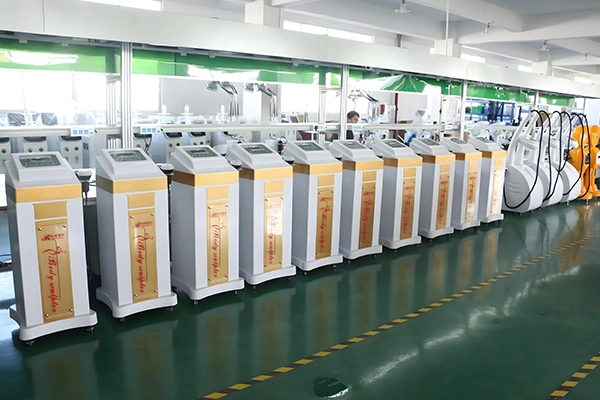
Kustomisasikan merek tanpa mengaburkan tanggung jawab.
Kustomisasi yang lebih mendalam memerlukan tanggung jawab yang lebih jelas atas penggunaan merek dagang, pekerjaan regulasi, status produsen legal, kepemilikan dokumen, dan persetujuan perubahan.
- Pembeli harus memiliki atau memiliki izin untuk menggunakan merek dagang, logo, artwork, dan aset merek lain yang diberikan.
- Perubahan pada sistem listrik, struktur, keselamatan perangkat lunak, atau tujuan penggunaan memerlukan peninjauan perubahan formal.
- Tanggung jawab regulasi, status produsen legal, dan kepemilikan dokumen teknis harus disepakati secara tertulis sebelum kustomisasi mendalam dimulai.
- Kustomisasi tidak memberikan akses pasar otomatis dan tidak menggantikan pekerjaan kepatuhan di pasar target.
FAQ
Apa perbedaan antara tiga tingkat kustomisasi?
Gunakan tiga tingkat. Tingkat 1 menambahkan logo, nama produk, layar pembuka, bahasa yang didukung, dan kemasan dasar pada platform yang telah ada. Tingkat 2 mengoordinasikan perangkat, antarmuka, kemasan, pelatihan, dan materi penjualan sebagai satu sistem private label. Tingkat 3 menambahkan pekerjaan desain industri, struktur, aksesori, atau perangkat lunak dan memerlukan peninjauan kelayakan rekayasa, kepatuhan, dan produksi.
Dapatkah kami memulai dari platform HIFU yang telah ada?
Ya. Mulailah dengan satu platform HIFU yang ada, lalu konfirmasikan empat item: model target, versi produksi saat ini, pasar target, dan perubahan yang diminta. Level 1 atau Level 2 mempertahankan lebih banyak bagian dari platform yang sudah ada. Level 3 berlanjut ke pekerjaan rekayasa hanya setelah perubahan struktural, aksesori, atau perangkat lunak yang diminta lolos tinjauan kelayakan.
Informasi apa yang harus kami berikan untuk mendapatkan penawaran?
Berikan delapan masukan: platform target atau menu perawatan, pasar peluncuran dan jalur kepatuhan, tingkat kustomisasi, aset merek yang disetujui, jumlah prototipe dan pesanan, target biaya, tanggal peluncuran, dan batasan tanggung jawab ODM. Konfirmasikan juga persyaratan voltase, steker, dan pengemasan. Hal ini memisahkan penawaran harga platform langsung dari pekerjaan yang memerlukan peninjauan rekayasa atau pengujian.
Apakah perubahan struktur atau perangkat lunak dapat memerlukan pengujian tambahan?
Ya. Empat area perubahan dapat memicu peninjauan tambahan: struktur, logika kelistrikan, logika keselamatan perangkat lunak, dan tujuan penggunaan. Salah satu di antaranya dapat mengubah jalur pengujian atau dokumen. Fotromed harus mengonfirmasi model akhir, perubahan tepatnya, pasar sasaran, dan bukti yang diperlukan sebelum memasukkan item tersebut ke dalam penawaran resmi.
Apa yang dimaksud dengan persetujuan sampel referensi?
Persetujuan sampel acuan mengunci satu standar produksi: baik berupa sampel fisik maupun paket foto dan video yang telah disepakati. Prosedur ini mencatat konfigurasi akhir, karya seni, tampilan, label, dan kemasan. Proyek Tingkat 2 dan Tingkat 3 tidak boleh memasuki produksi massal hingga standar ini disetujui dan disimpan untuk inspeksi serta pesanan berulang.
Berapa lama persiapan mesin HIFU standar atau kustom?
Mesin standar memiliki waktu pengerjaan acuan 30 hingga 60 hari. Jadwal final bergantung pada model, konfigurasi, jumlah, logo, kemasan, dokumen pasar target, dan jalur pengujian. Untuk pekerjaan OEM atau ODM, Fotromed mengonfirmasi MOQ, biaya rekayasa atau tooling, pekerjaan prototipe, dan waktu produksi dalam penawaran formal setelah peninjauan cakupan.
Siapa yang mengonfirmasi dokumen kepatuhan untuk pasar target?
Konfirmasikan empat pengenal untuk setiap dokumen: model akhir, pemegang dokumen, pasar sasaran, dan masa berlaku. Kemudian cantumkan siapa yang memiliki pekerjaan regulasi, peran produsen hukum, dan berkas teknis. Penawaran resmi dan daftar dokumen akhir harus mencatat tanggung jawab masing-masing pihak. Sertifikat untuk platform serupa tidak secara otomatis mencakup produk yang disesuaikan.