Professional HIFU Facial Machine
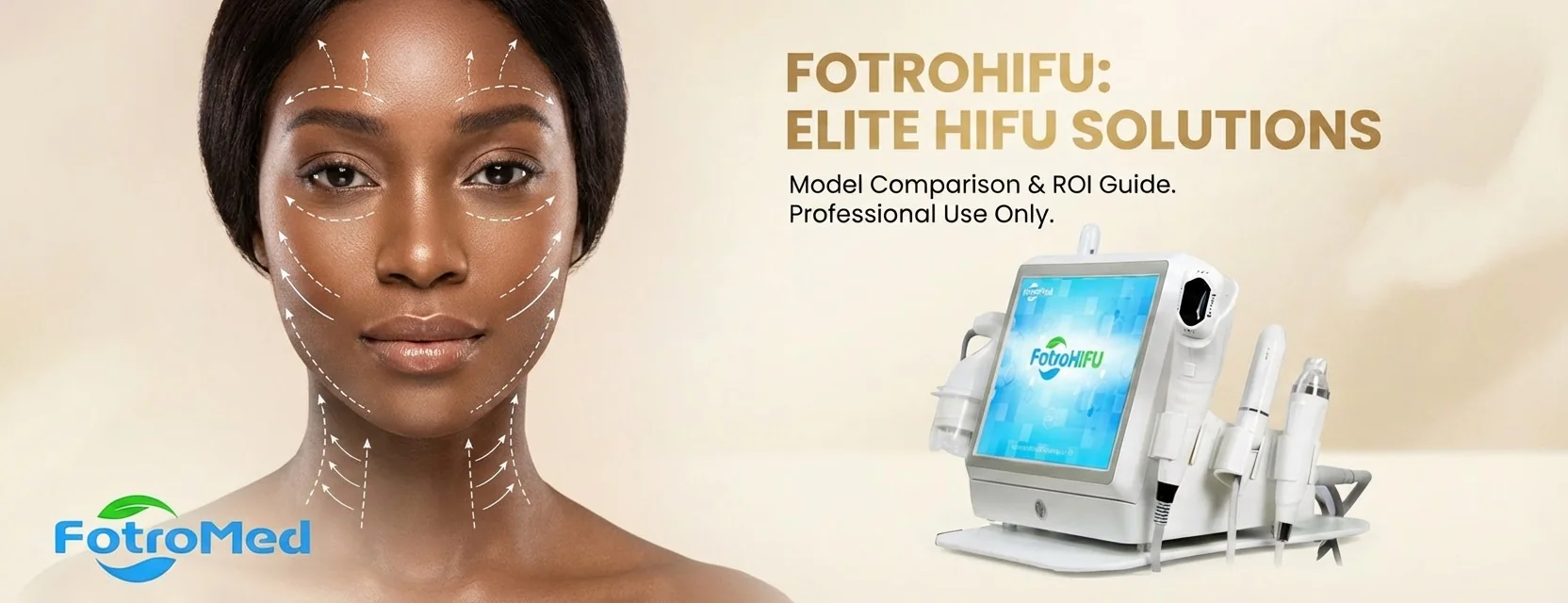
Explore the FotroHIFU range of professional HIFU machines, from compact facial systems to multi-handpiece face-and-body platforms and configurable multi-function setups. Whether you distribute equipment, manage an aesthetic chain or run a clinic, compare treatment coverage, cartridge depths, energy modes and workflow to find the right machine or product mix.
Professional HIFU Machines for Sale
FotroHIFU’s platforms match different business models, not a spec ladder—a solo medspa, a clinic and a resale distributor each need a different setup. Compare configuration and handpieces on each model page.
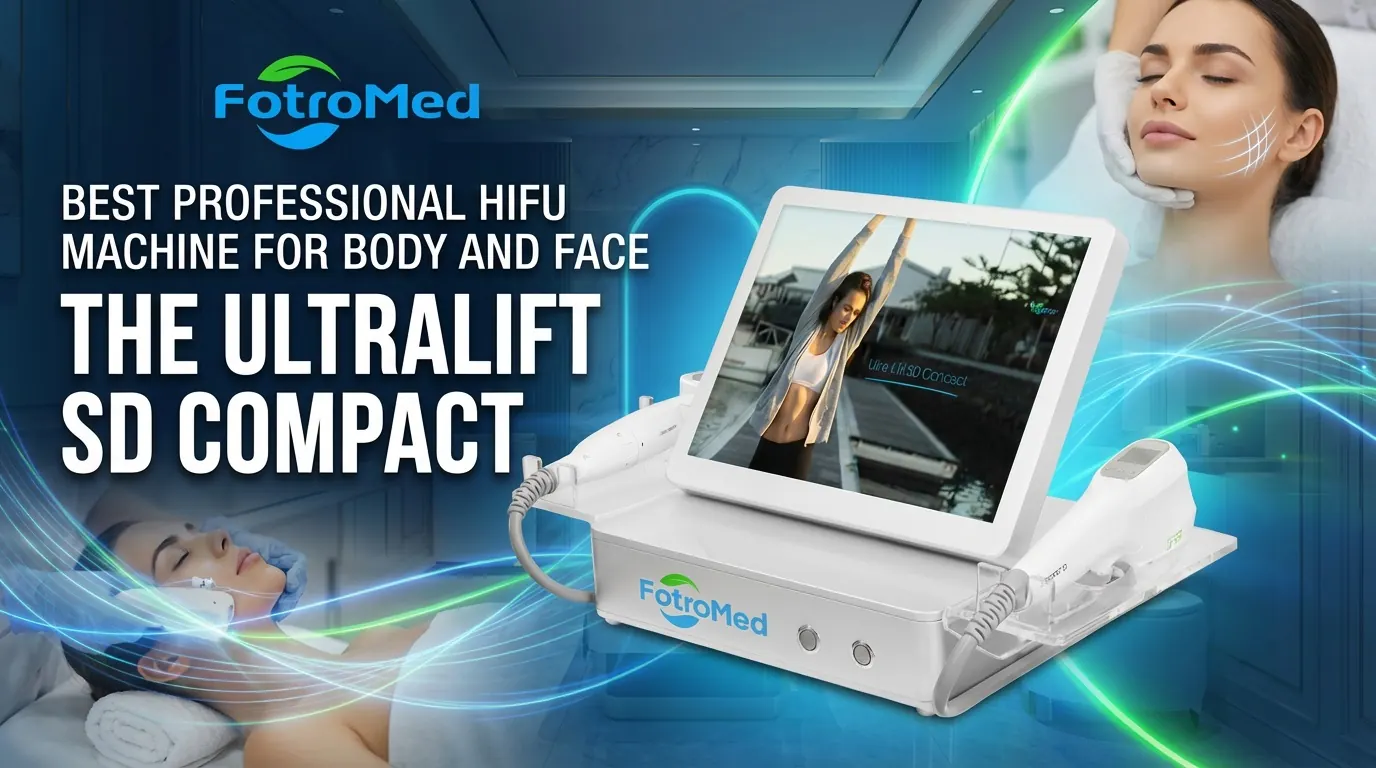
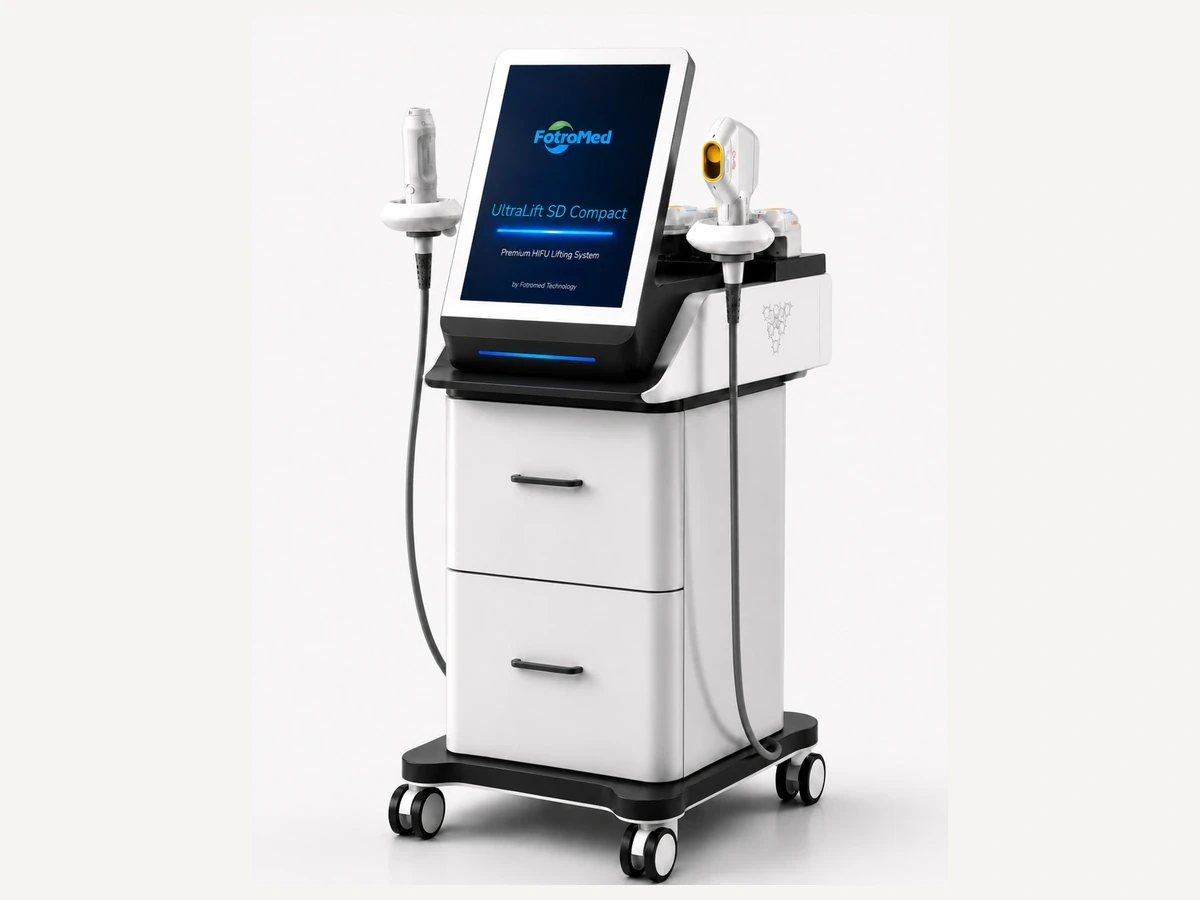
UltraLift SD Compact HIFU
Offer clients faster treatments with low perceived discomfort using a portable HIFU system that combines MFU and RF technology.
View UltraLift SD Compact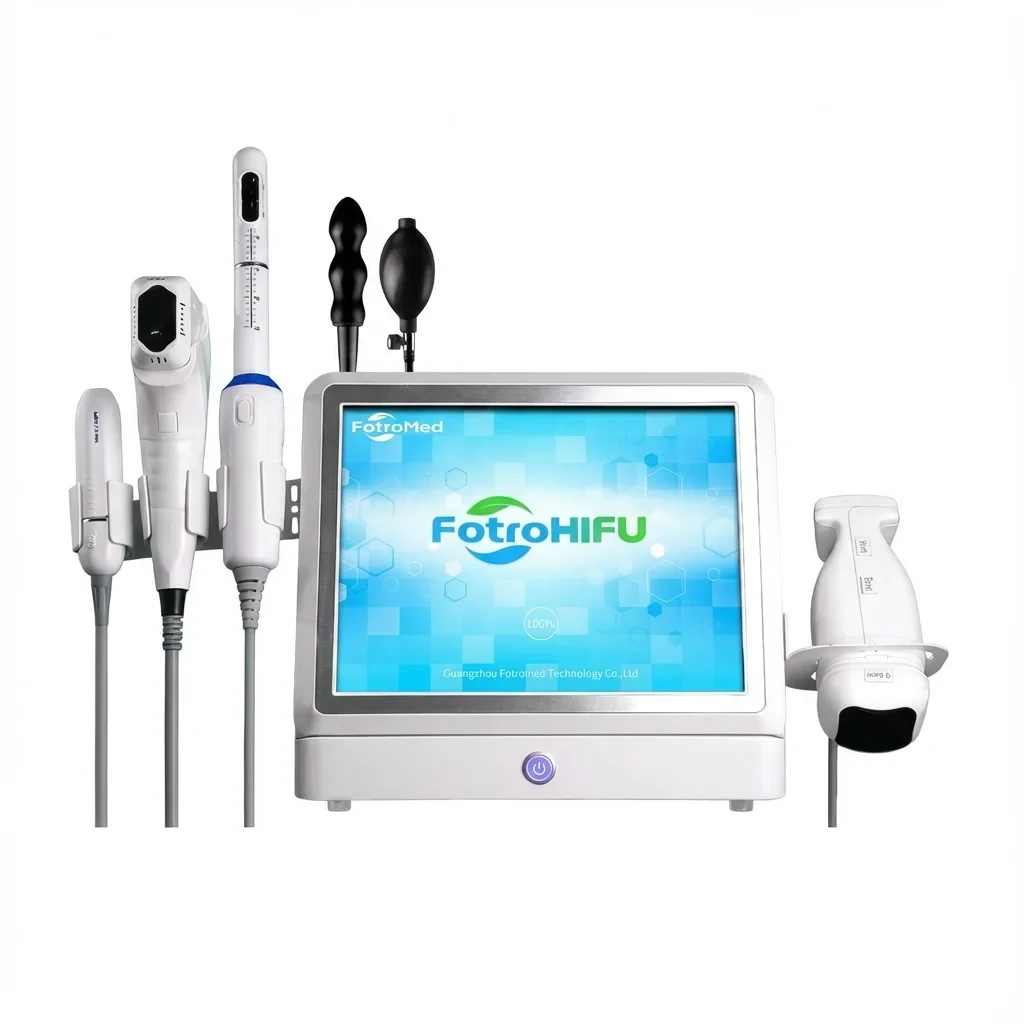
5-in-1 4D HIFU Machine
Build your multi-function HIFU machine around a 4D multi-line handpiece, choosing additional functions for services you plan to offer.
View FotroHIFU Max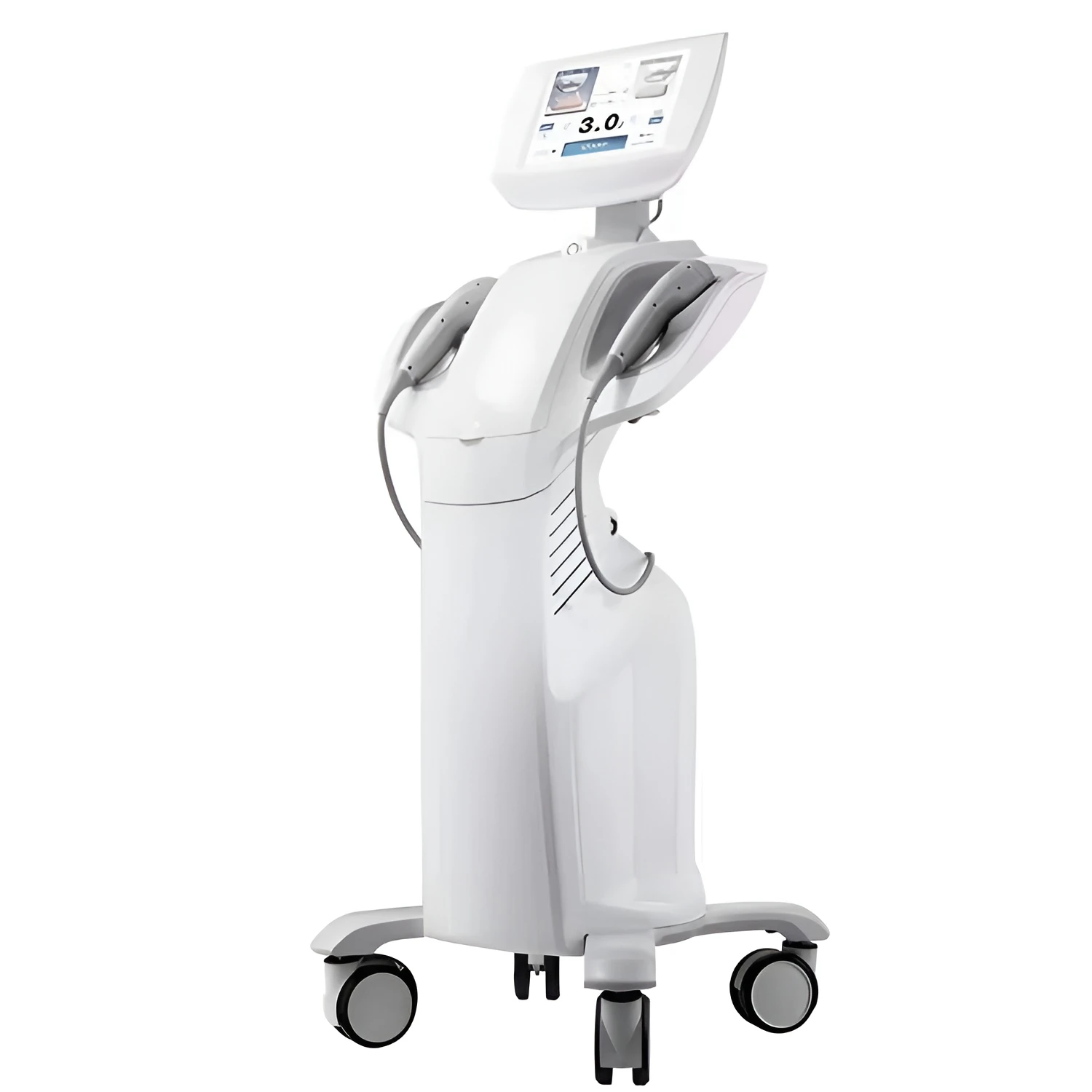
UltraLift 7D Pro
Choose a 7D HIFU machine with seven MMFU cartridge depths when your menu needs eye-area, facial and body coverage.
View UltraLift 7D Pro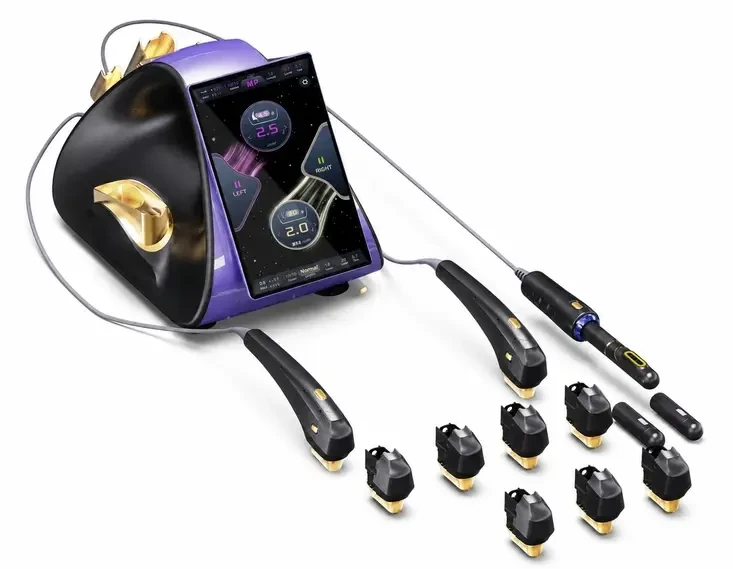
12D HIFU Machine
Cover facial, eye-area, body and intimate-care services with three purpose-built handpieces and flexible Superpulse delivery.
View UltraLift 12D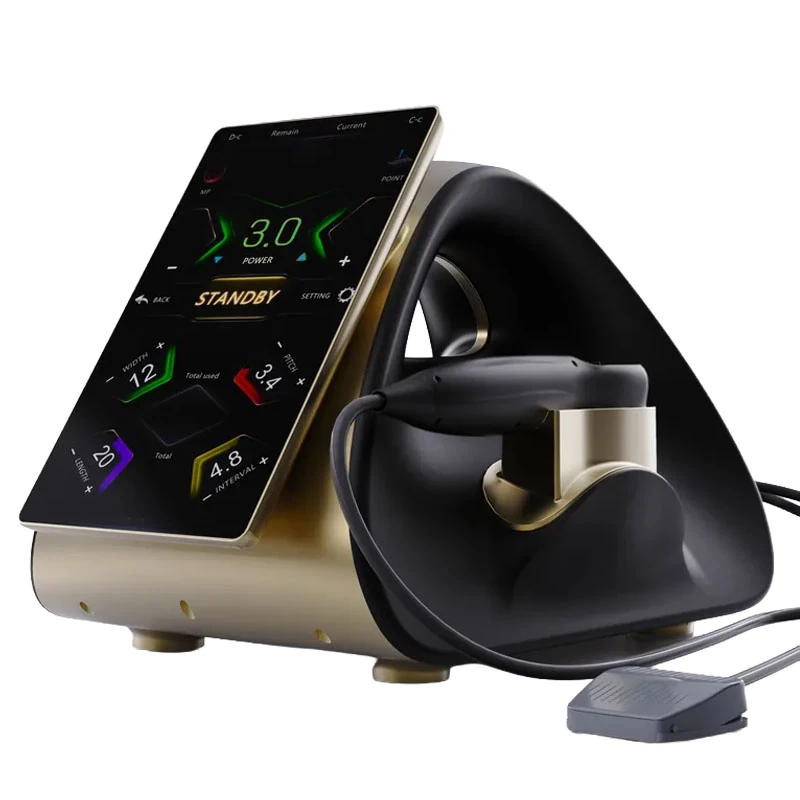
22D HIFU Machine
Keep facial and body workflows distinct with dedicated handpieces, including focused ultrasound and RF for larger body areas.
View UltraLift 22D Max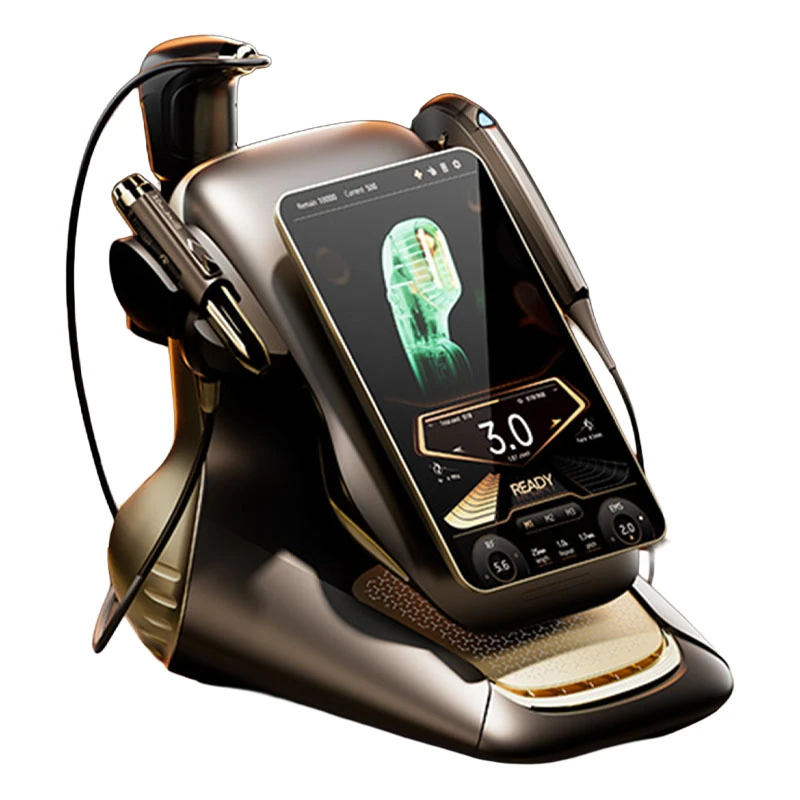
25D HIFU Machine
Bring precise eye work, full-face coverage and larger body treatments together with three HIFU, RF and EMS handpieces.
View UltraLift 25DWhat Is a Professional HIFU Machine?
Unlike home-use devices with basic settings, a professional HIFU machine delivers stable energy output across defined treatment depths, with adjustable settings and application-specific cartridges.
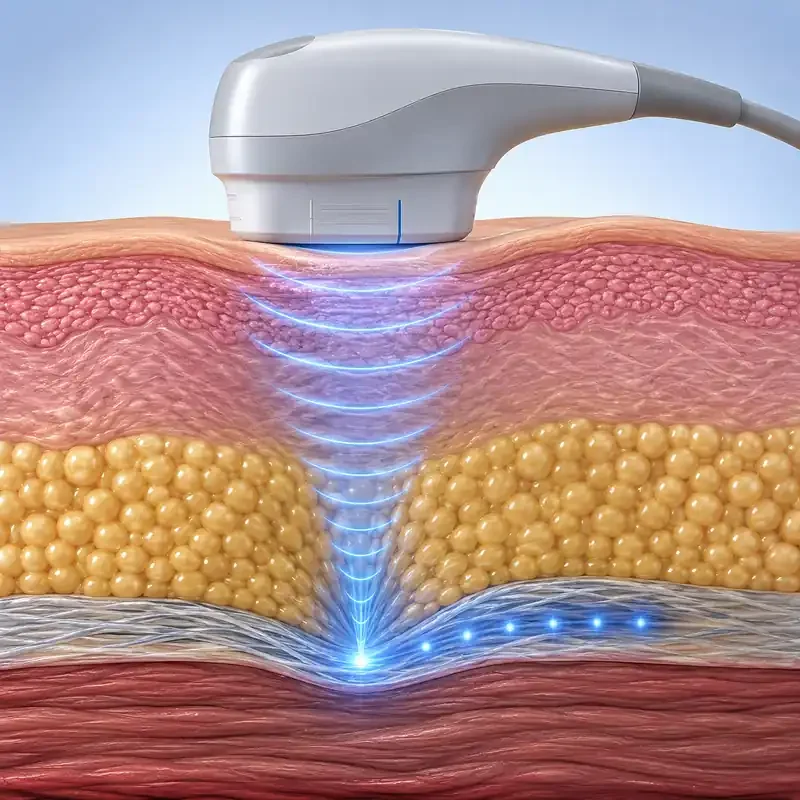
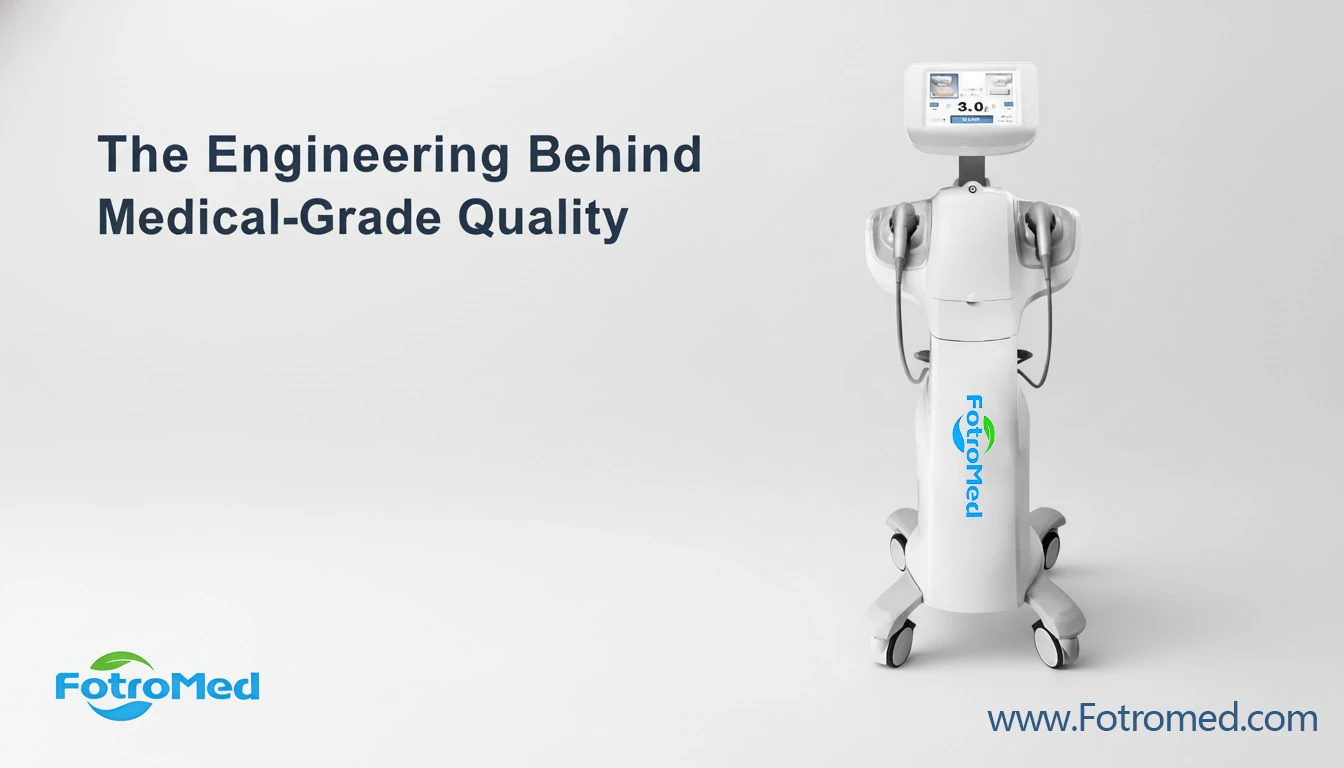
Clinic-grade HIFU equipment is engineered for continuous clinical use rather than occasional home use, which explains its tighter tolerances and higher price. Energy output remains stable, focal depth reliably reaches the SMAS layer at depths of up to 4.5 mm, and multiple handpieces address different treatment needs.
- ↕
- Confirm the available cartridge depths, intended treatment areas and documented dermal or SMAS-level targets for the exact model.
- ⟳
- Compare the supplied handpieces, working modes and how the system fits the services your clinic plans to offer.
- ⚡
- Review documented energy delivery modes, output stability, adjustable parameters, safety controls and model instructions.
- ▣
- Check cartridge capacity, what is included, replacement availability and the ongoing consumable plan.
- ✎
- Confirm operator training, user instructions and the product documents supplied for the model and destination market.
- ✓
- Clarify the warranty scope, troubleshooting route, spare-parts support and who handles service after delivery.
Why HIFU Purchases Fail: Specs, Training & Costs
A reliable HIFU quotation must clarify four essentials: configuration, training, consumables, and ongoing support. It should detail the exact handpieces, treatment depths, cartridges, and operating modes, along with a defined training path, consumable costs, and post-delivery support. Without these details, buyers cannot realistically compare systems or project real-world clinic performance.
What HIFU buyers and operators say before they choose
“All they sent was a generic pre-recorded video, and they taught button operations but not clinical treatment protocols.”
Amanda, United Kingdom · Clinic owner and beauty therapist
HIFU Technology Comparison
Compare the actual treatment range, handpieces and workflow to build a practical shortlist.
Are All HIFU Machines the Same?
No. From our experience as a HIFU manufacturer, terms such as 4D, 7D, 12D and 22D are supplier-defined product names, not universal industry standards. We see this in our own range: our UltraLift SD Compact follows a different naming approach instead of adding another “D” number.
A 12D label from one supplier and a 12D label from another can carry different cartridge depths, energy steps or handpiece options. The name identifies a series—the specs below decide what it can actually do in your clinic:
- Handpieces & treatment depths
- Energy delivery & control
- Lines per activation
- Treatment speed & coverage
- Cartridge capacity & usage
Swipe or scroll to compare all six models.
| Decision factor | UltraLift SD Compact | 4D HIFU-FotroHIFU Max | 7D HIFU Machine – Ultralift 7D | 12D HIFU Machine | 22D HIFU Machine | 25D HIFU Machine |
|---|---|---|---|---|---|---|
| Core technology | HIFU + RF technology | Multi-line MFU technology | MMFU focused ultrasound | Superpulse + MP mode | HIFU + RF Lipo | HIFU + RF + EMS |
| Treatment comfort | Good | Medium | Good | Good | Medium | Medium |
| Treatment speed | Very fast | Low | Fast | Very fast | Fast | Fast |
| Estimated result duration | 12–18 months* | 12–18 months* | 12–18 months* | 12–18 months* | 12–18 months* | 12–18 months* |
| Treatment range | Face & body | Face, body & intimate | Face & body | Face, body & intimate | Face & body | Face & body |
UltraLift SD Compact
- Technology
- HIFU + RF technology
- Comfort
- Good
- Speed
- Very fast
- Duration
- 12–18 months*
- Range
- Face & body
4D HIFU-FotroHIFU Max
- Technology
- Multi-line MFU technology
- Comfort
- Medium
- Speed
- Low
- Duration
- 12–18 months*
- Range
- Face, body & intimate
7D HIFU Machine – Ultralift 7D
- Technology
- MMFU focused ultrasound
- Comfort
- Good
- Speed
- Fast
- Duration
- 12–18 months*
- Range
- Face & body
12D HIFU Machine
- Technology
- Superpulse + MP mode
- Comfort
- Good
- Speed
- Very fast
- Duration
- 12–18 months*
- Range
- Face, body & intimate
22D HIFU Machine
- Technology
- HIFU + RF Lipo
- Comfort
- Medium
- Speed
- Fast
- Duration
- 12–18 months*
- Range
- Face & body
25D HIFU Machine
- Technology
- HIFU + RF + EMS
- Comfort
- Medium
- Speed
- Fast
- Duration
- 12–18 months*
- Range
- Face & body
Common Challenges When Choosing a Professional HIFU Machine
Unstable energy output
Uneven energy output can interrupt treatments and make the machine harder to evaluate.
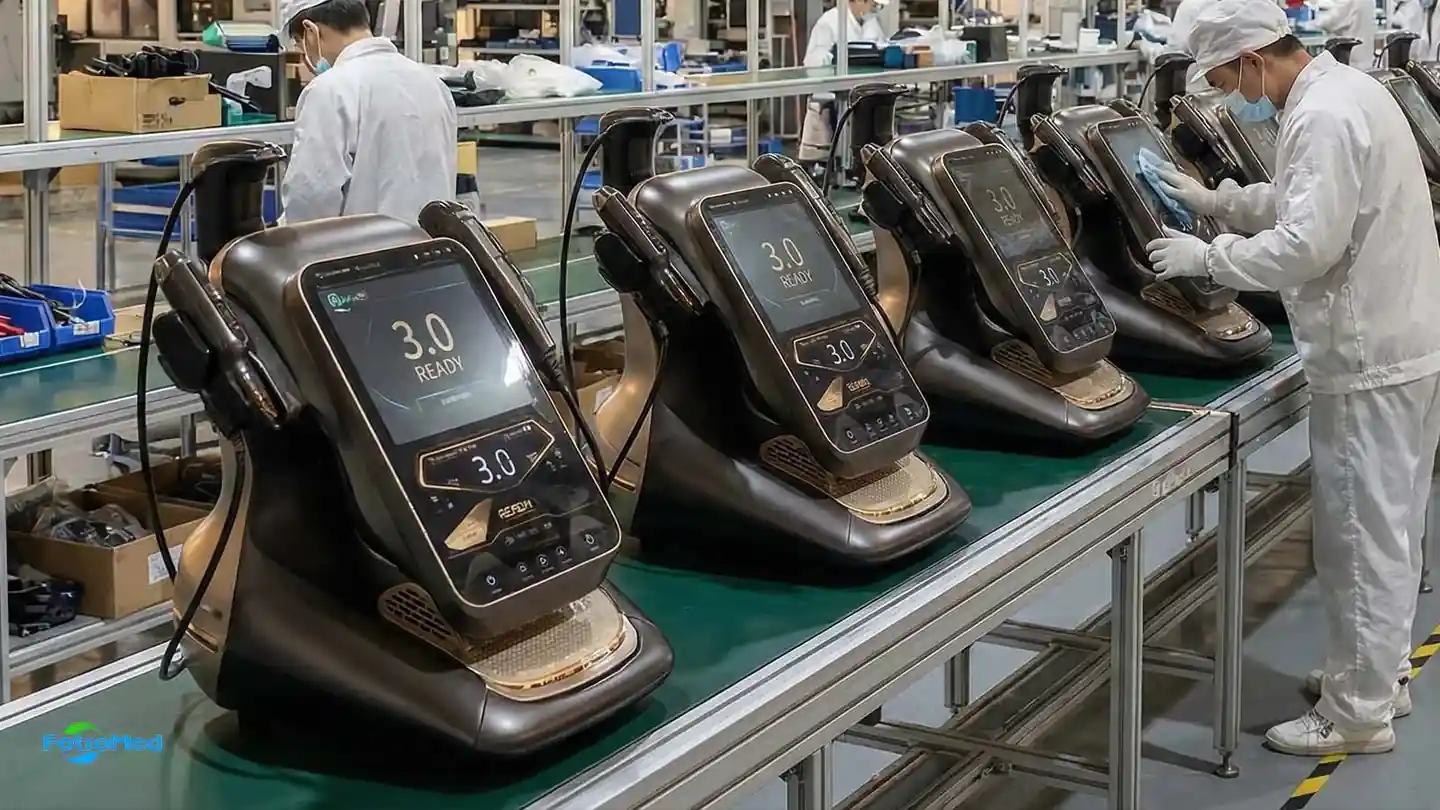
Solutions: Our 5-step production process includes energy output checks and a final quality check.
Inconsistent shot delivery
Delayed or uneven shots may come from the handpiece, interface controls, or another core component.
Solutions: We test 100% of machines before shipment, checking handpiece response, interface controls, and core functions.
Faults during extended operation
Some faults only appear after the machine has run continuously for several hours.
Solutions: We test every machine under continuous power for 8 hours before shipment.
Unclear machine configuration
A model name does not tell buyers which handpieces, cartridges, voltage, plug, or functions come with the machine.
Solutions: Before approval, we confirm 7 order details: voltage, plug, cartridge set, branding, packaging, shipping terms, and payment terms.
Unexpected costs after purchase
Cartridges, replacement parts, warranty exclusions, and shipping terms all affect the final cost.
Solutions: Every machine comes with a free 1-year warranty. We confirm coverage and exclusions in writing.
Limited training and after-sales support
Without clear training and a direct support contact, buyers may struggle to get the machine running.
Solutions: We include one-to-one online video training with every machine.
Choosing the Right HIFU Facial Machine
Businesses deciding where to buy HIFU machine systems should first define their treatment menu, target clients, available space, budget range and local market needs. Our business team will compare suitable platforms across the FotroHIFU range and recommend a practical shortlist, including the machine, handpieces and cartridge configuration worth discussing next.
Find the Right HIFU Machine for Your Business
Tell us your business type, treatment menu and client volume—get matched to one model with its key parameters.
Your primary recommendation
UltraLift SD Compact
This model is the closest fit after comparing your four answers with the approved six-machine decision matrix.
When Does a Multi-Function HIFU Platform Make Sense?
A 5-in-1 setup combines a core HIFU system with selected functions, helping businesses expand services or offer flexible configurations.
Clinics & Medspas
Select the handpieces your business needs to add substantially more treatment options than a standard HIFU setup.
Aesthetic Chains
Standardize the selected configuration, operator training and treatment workflow across multiple locations.
Distributors & Wholesalers
Offer different function packages for clinics, medspas and chains with different service and budget requirements.
5-in-1 describes the selected function combination. 4D, 7D and 12D identify product series. Confirm standard and optional items on the FotroHIFU Max product page.
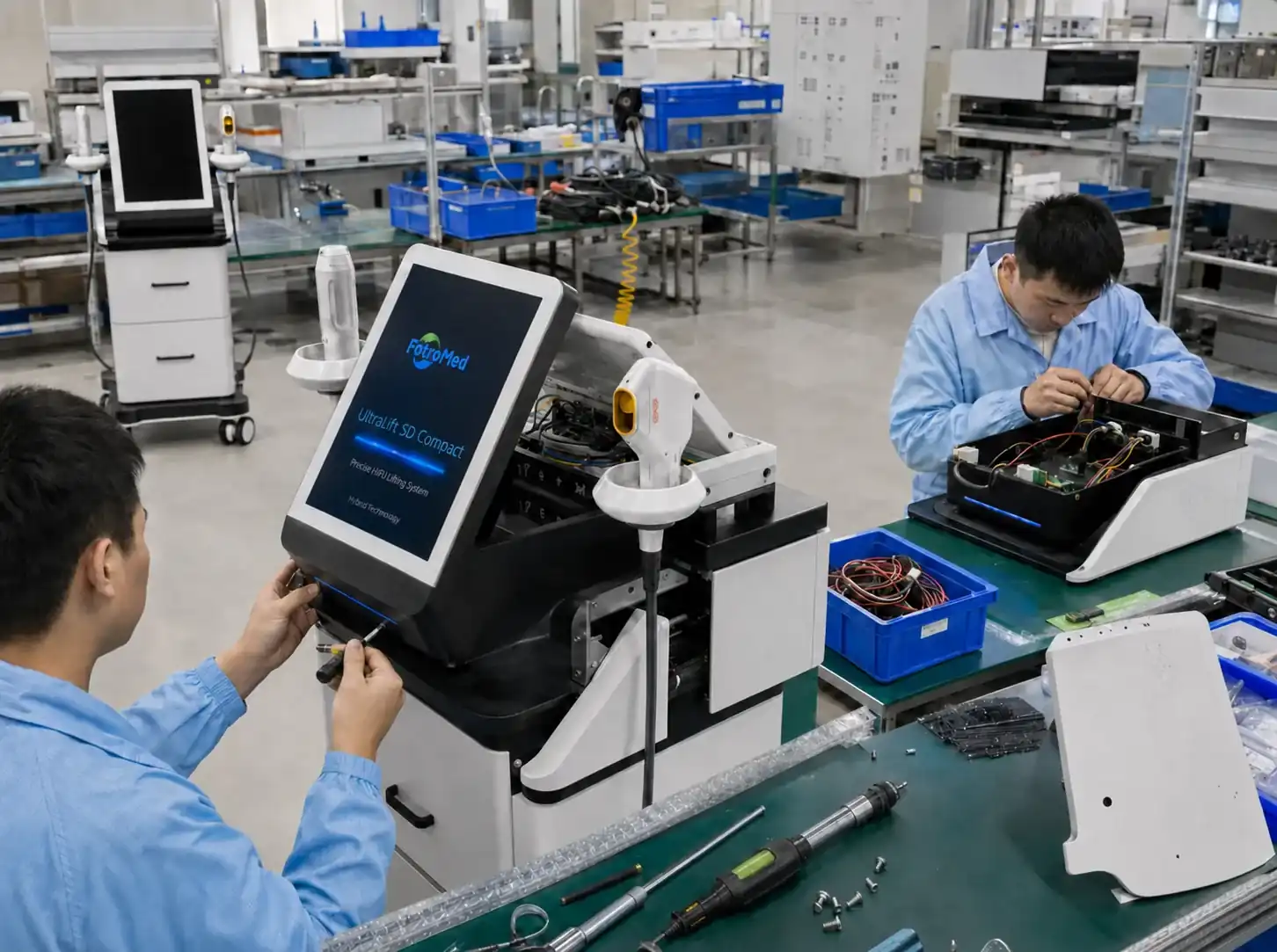
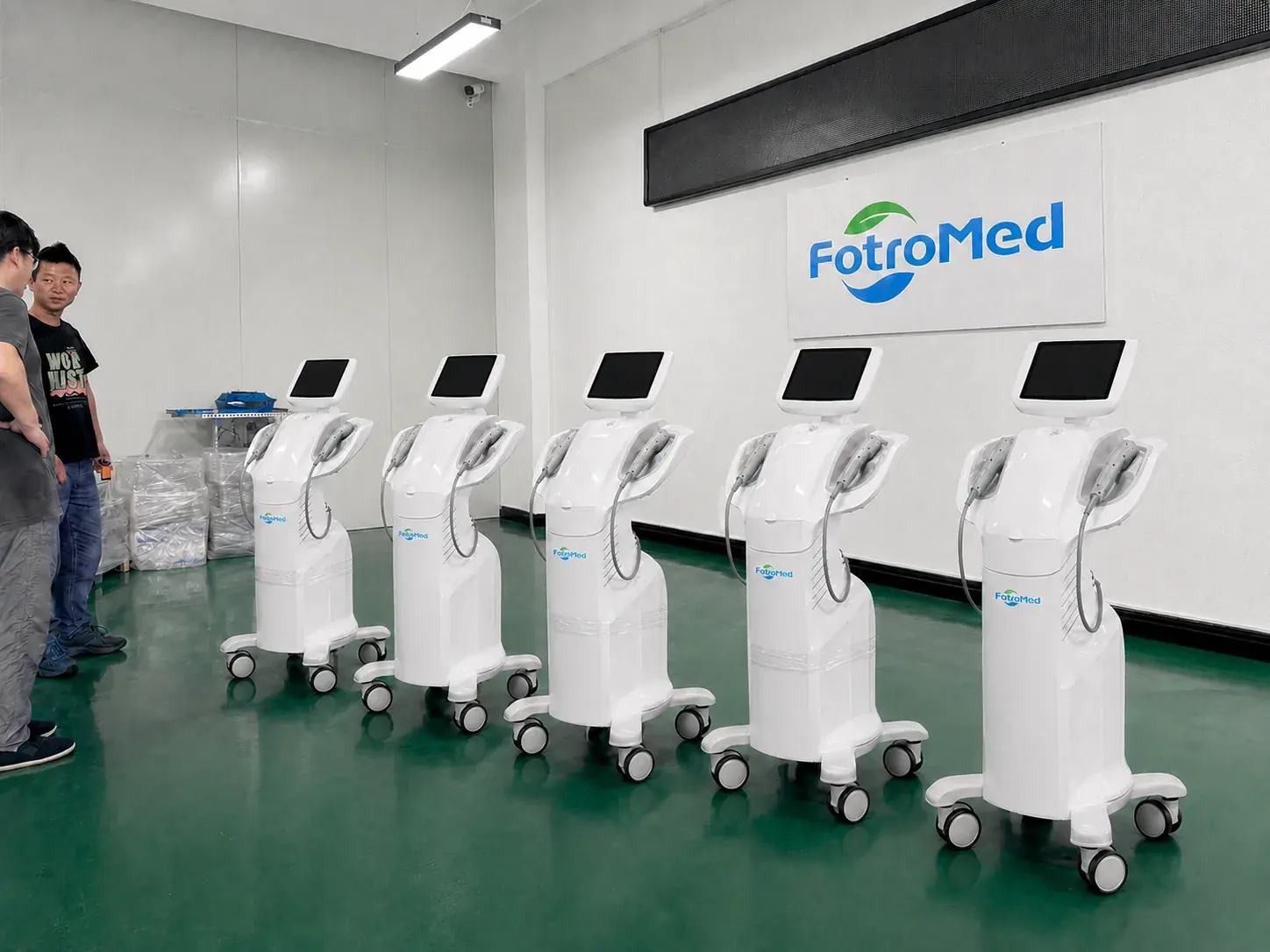
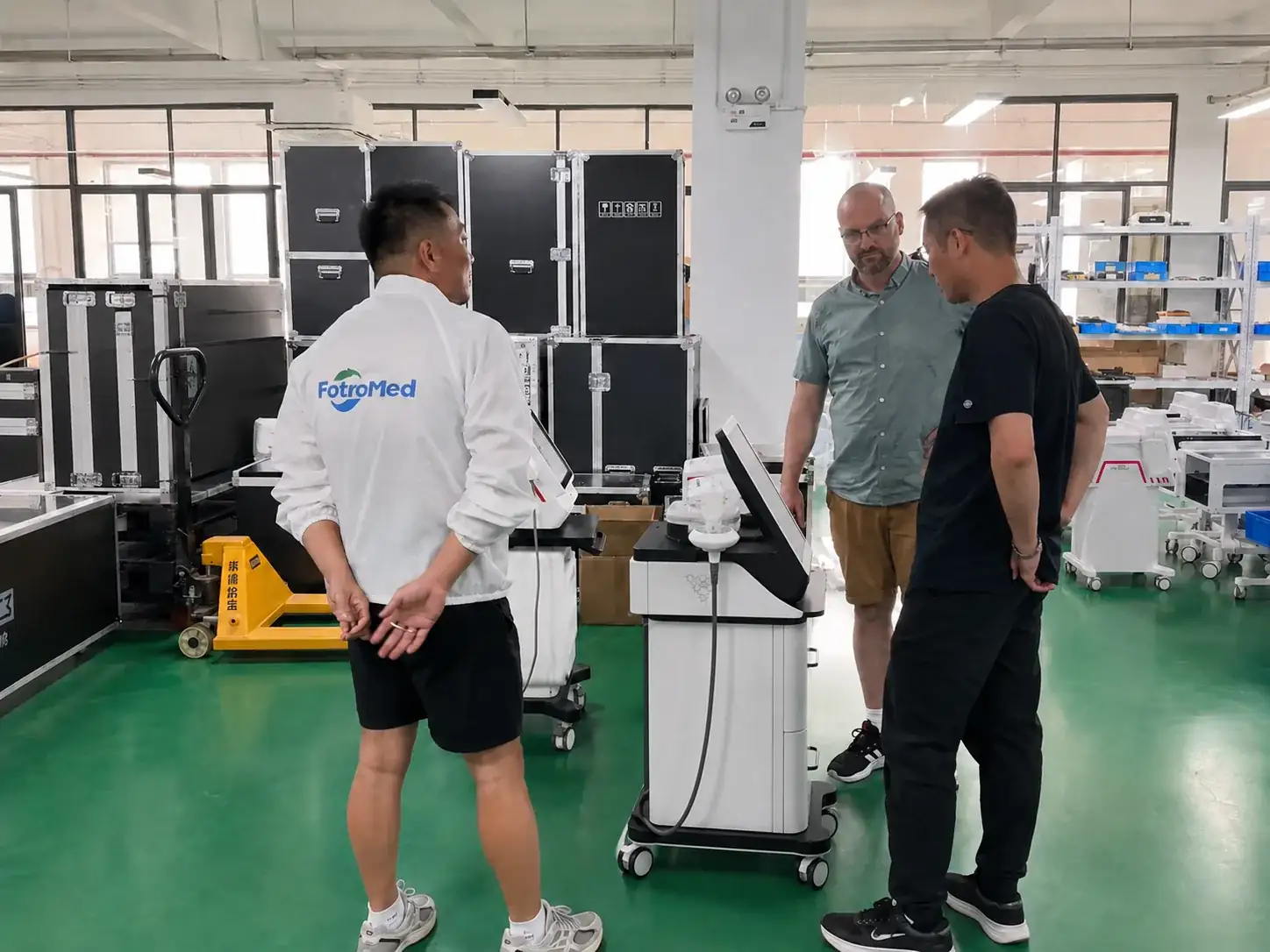
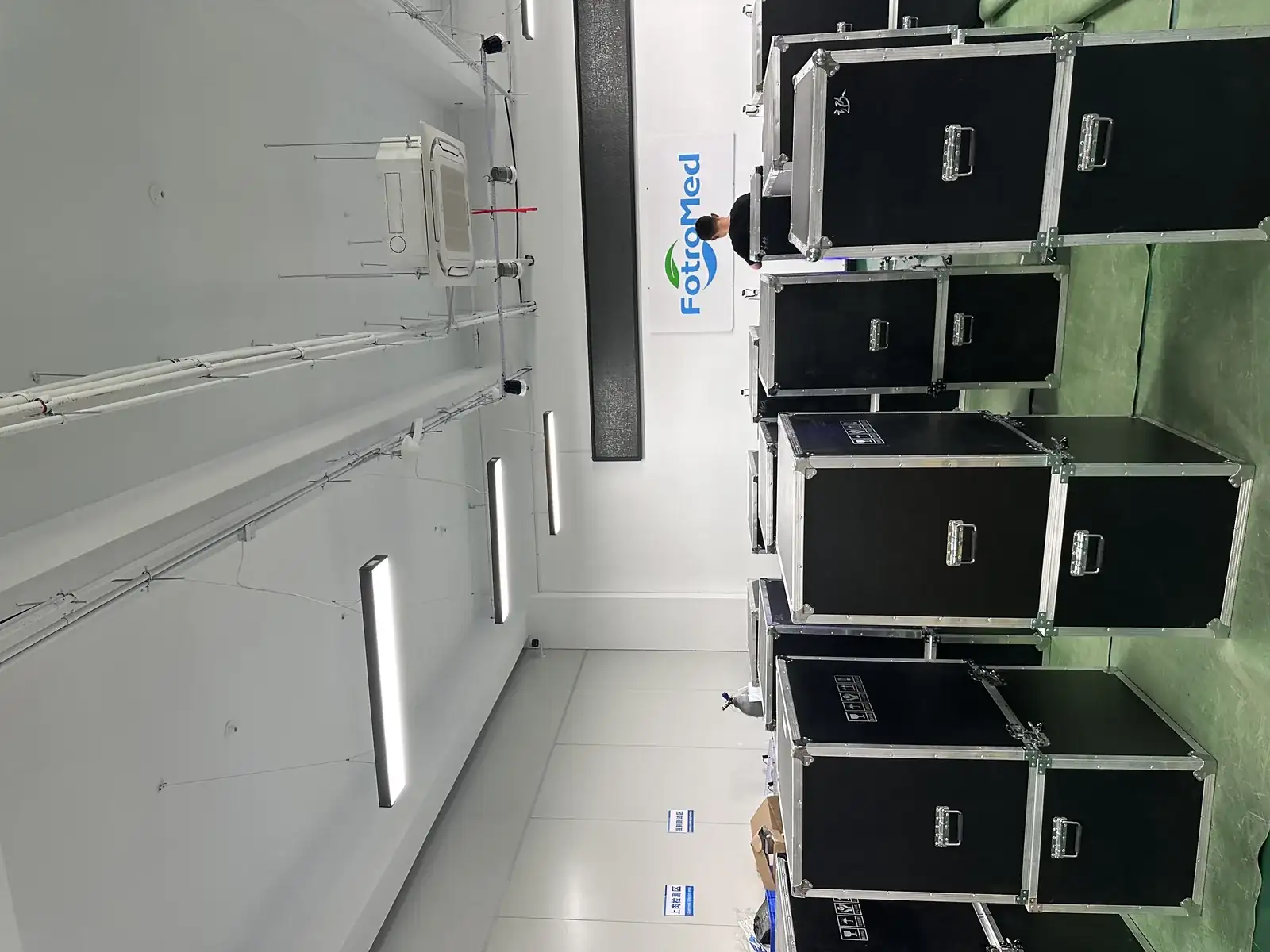
Explore the HIFU Machines We Manufacture
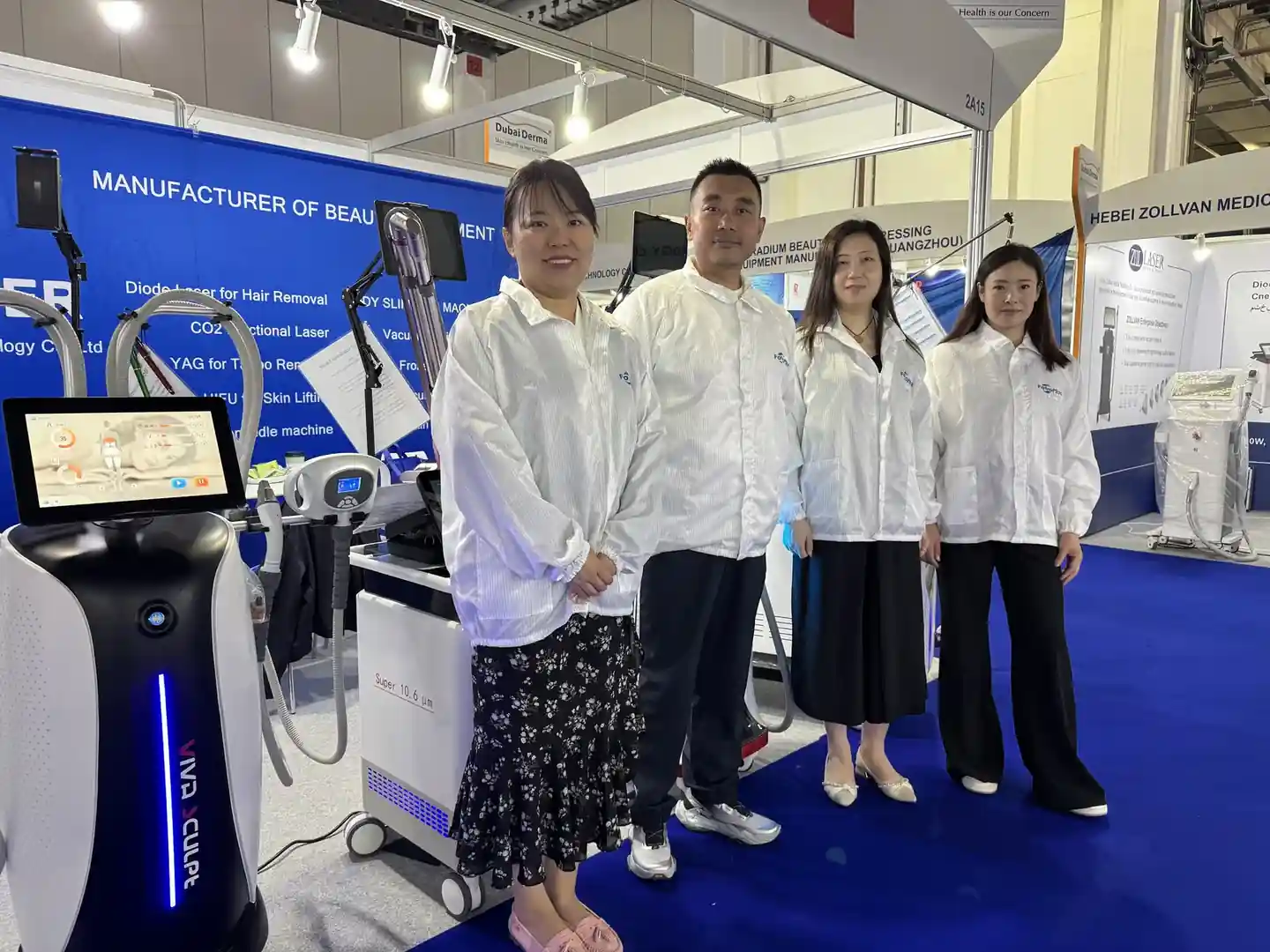
Professional HIFU Machines for Global Markets

HIFU Machines for Europe, the USA & Australia
Voltage, plug, and customs-clearance requirements can be more complex in Europe, the USA, and Australia. We combine machine configuration, training, and after-sales support in one quotation, including:
- Voltage, plug, and destination-document requirements
- Machine price, shipping, operator training, and after-sales support
HIFU Machines for Pakistan, the Philippines & Vietnam
In these markets, shipping terms and local import duties often have a greater impact on the total landed cost than the machine price itself. The quotation includes:
- Machine configuration, included cartridges, and consumables
- Order quantity, shipping terms, and local import costs
China HIFU Machine Manufacturing & OEM
When sourcing a HIFU machine supplier in China, buyer trust is a major concern. We make factory capacity, OEM/ODM capabilities, and quality-control records available for verification, including:
- Branding, software, packaging, and confirmed machine configuration
- Factory quality-control records, training, and after-sales support
Build a market-specific HIFU machine quotation
Request a Market-Specific QuoteHIFU Machine Treatment Before & After
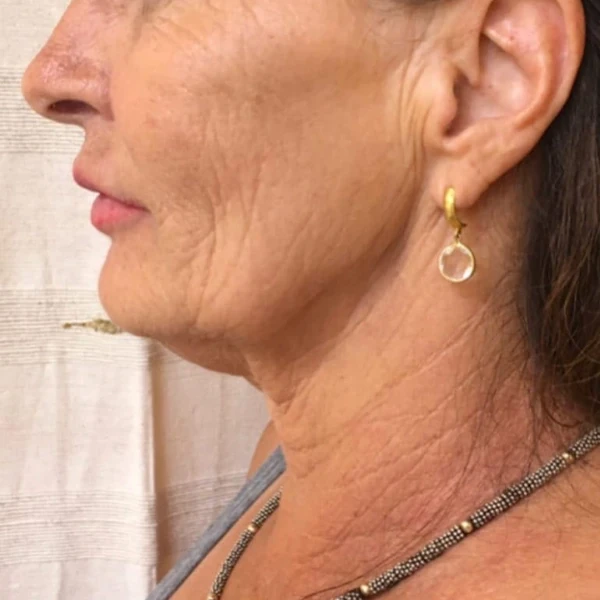
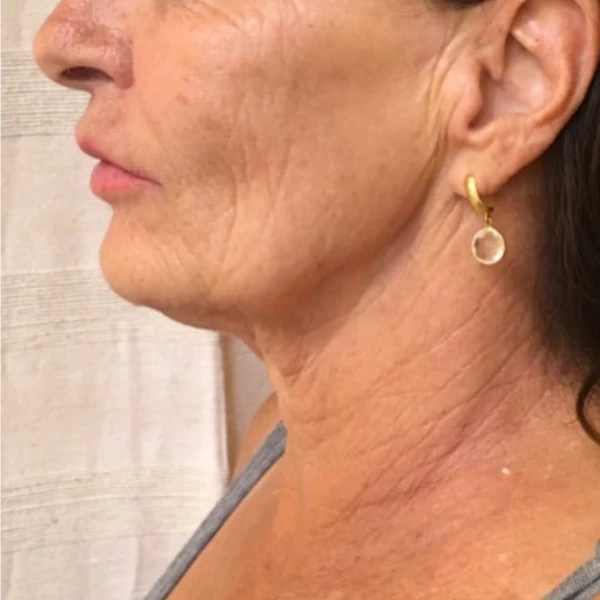
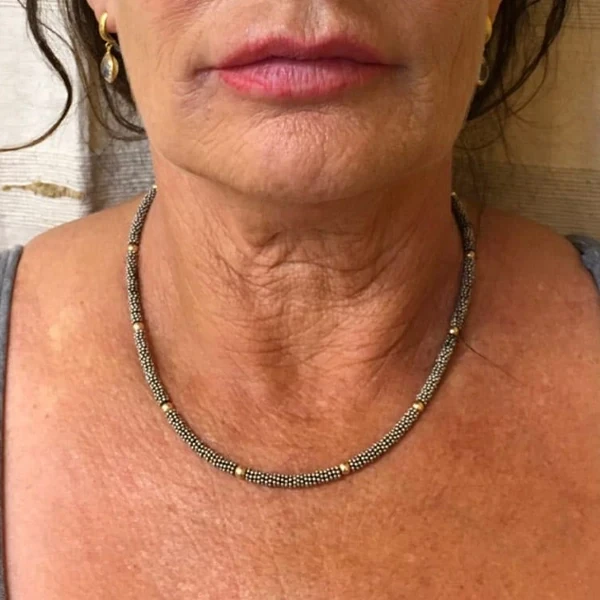
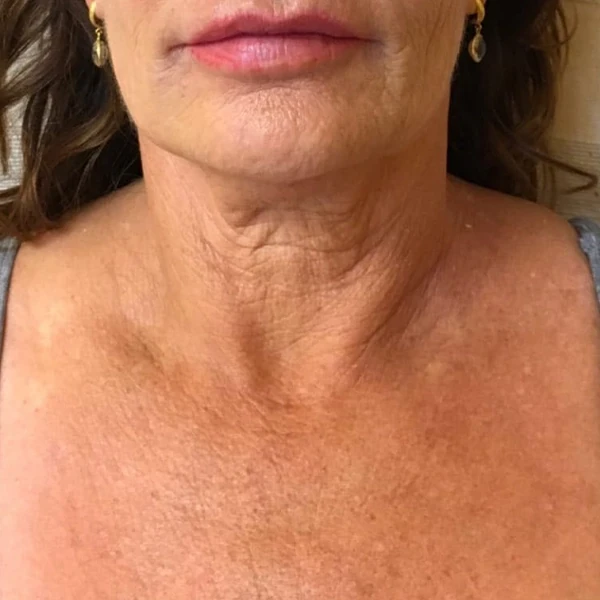
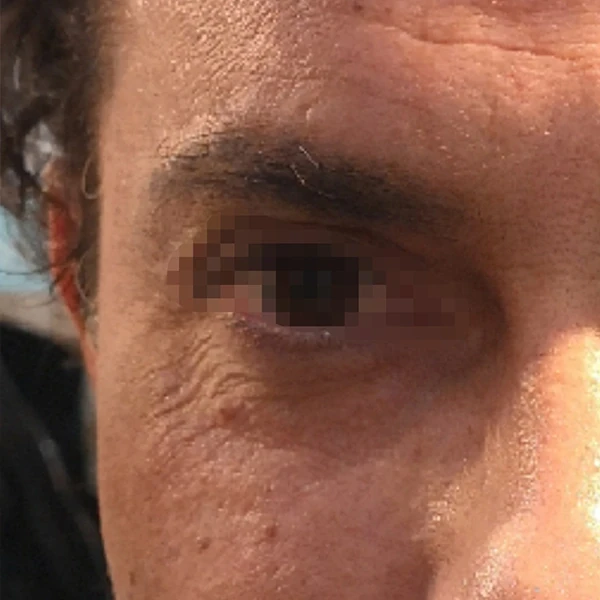
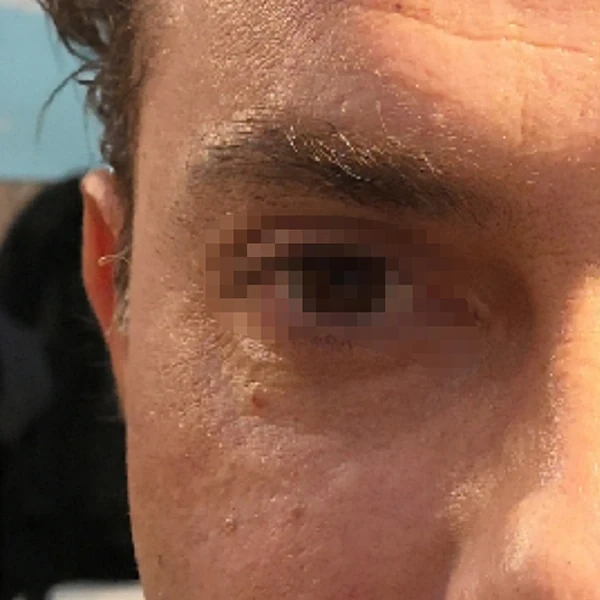
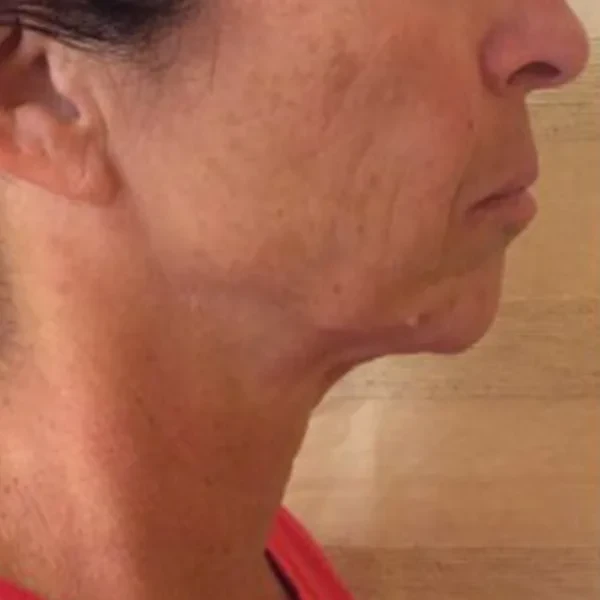
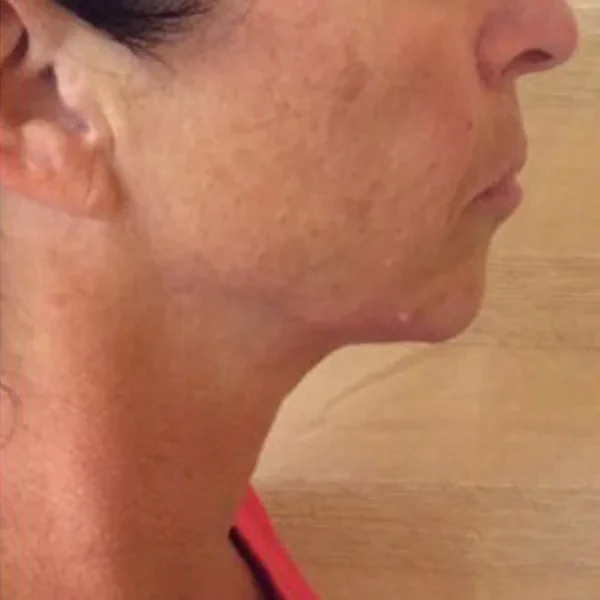
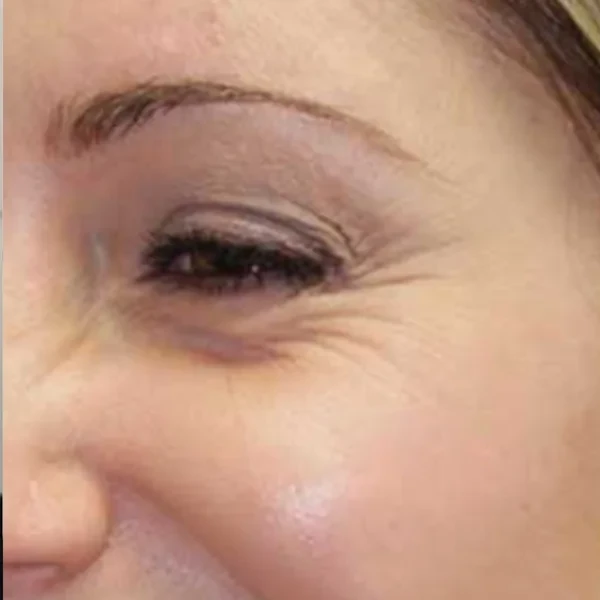
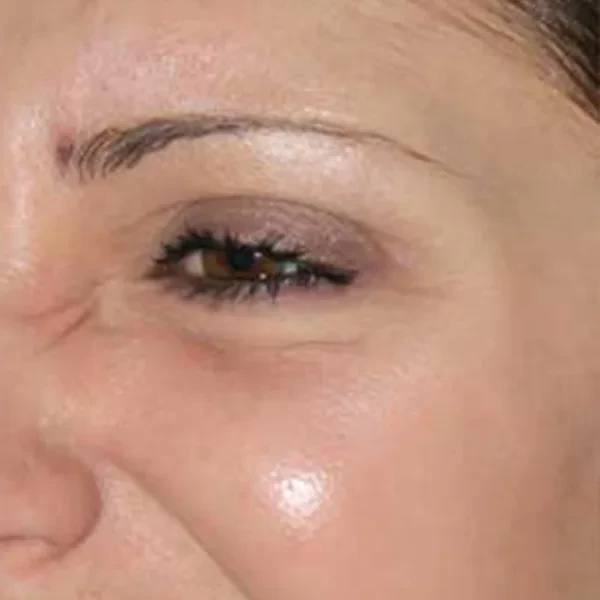
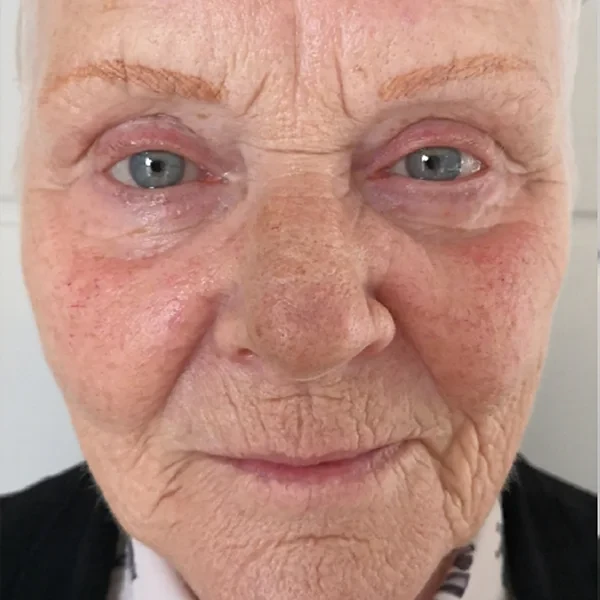
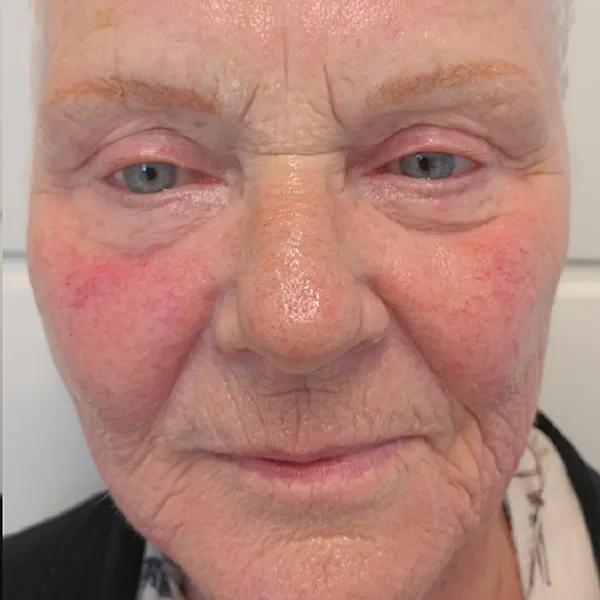
Drag the divider on each image to compare the treatment reference photos, then use the arrows to review all six treatment areas.
 Before
After
Before
After
 Before
After
Before
After
 Before
After
Before
After
 Before
After
Before
After
 Before
After
Before
After
 Before
After
Before
After
Showing comparisons 1 to 3 of 6
How Aesthetic Businesses Grow with FotroHifu HIFU Machines
From 18 to 42 Monthly Treatments After an Equipment Upgrade
Opened in 2023, this Barcelona studio has two licensed aestheticians and a visiting physician. During its first 14 months it used an entry-level 4D HIFU machine, averaging 18 treatments per month at €140. The studio recorded unstable output at around 3,000 shots despite a claimed 10,000-shot cartridge life, frequent cartridge replacement, more discomfort complaints and a 22% non-return rate after the first treatment during the first half of 2024.
The Challenge
- Cartridge output became unstable much earlier than the previous supplier’s stated lifespan
- Replacement frequency was more than twice what the studio had budgeted
- Discomfort feedback contributed to a 22% first-treatment non-return rate
- Monthly volume remained at 18 treatments and the average ticket stayed at €140
- The team wanted lower consumable pressure without hiring more staff
What FotroHIFU Did
- Matched the studio with the UltraLift SD Compact and its MFU + RF workflow for 4.5 mm and 3.0 mm treatment depths
- Supplied three cartridges and two backup handpieces in the confirmed shipment
- Delivered the order to port 19 days after purchase
- Provided three 90-minute one-to-one remote training sessions
- Helped both aestheticians complete setup, parameter, cartridge-selection and troubleshooting training within two weeks
Client-recorded operating results after 14 months
These figures come from this studio’s own operating records. They describe one business and are not clinical trial data or a universal treatment or commercial promise.
“We did not upgrade because we wanted more impressive specifications. We wanted to stop replacing cartridges so often and reduce the number of clients who did not return after one treatment. The clearest change is that our non-return rate fell by more than half.”
Studio Owner, Barcelona, Spain
Buyer takeaway: Studios completing roughly 20–50 treatments per month can compare cartridge replacement frequency and first-treatment client loss before deciding whether an entry-level machine is limiting the business.
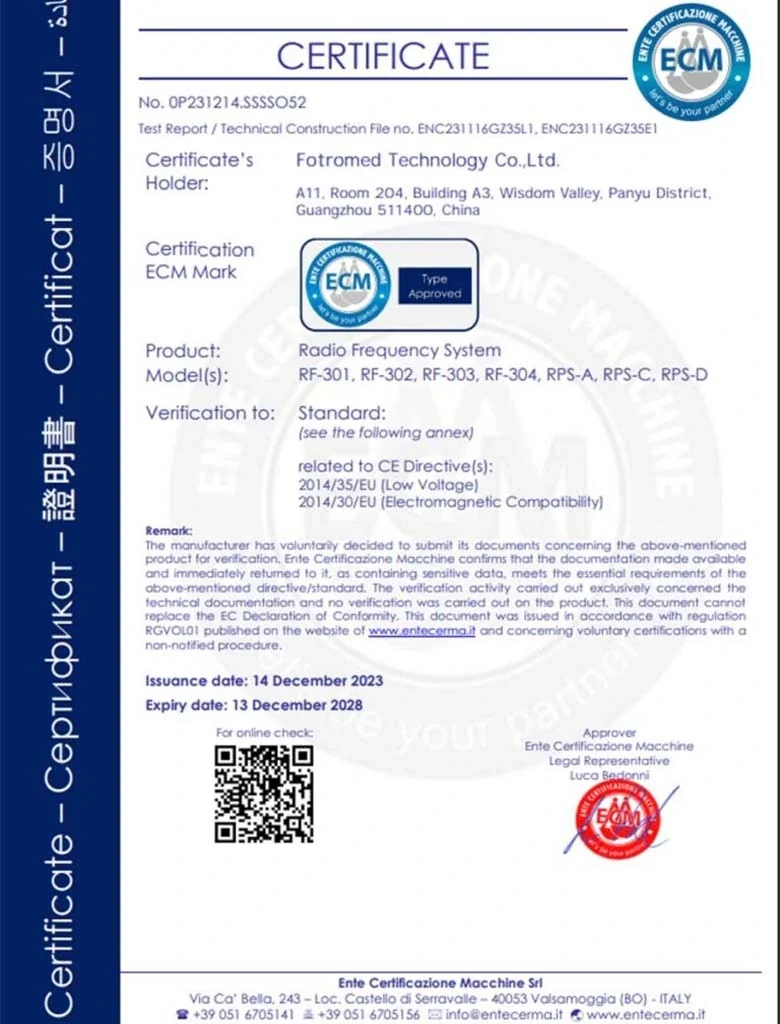
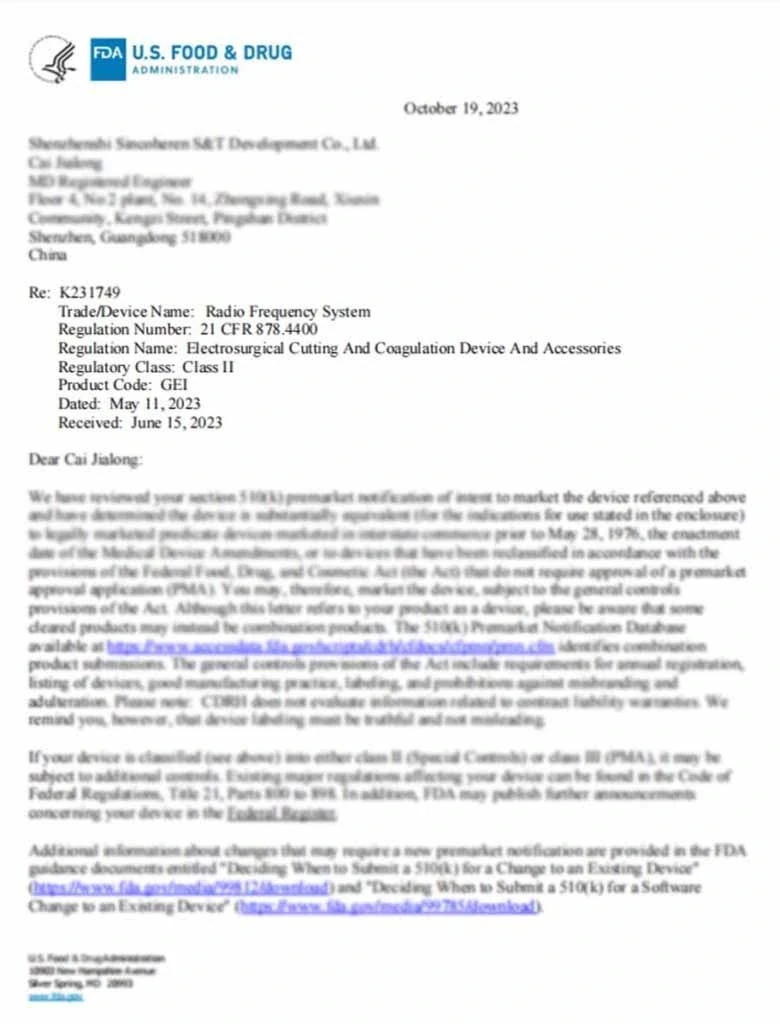
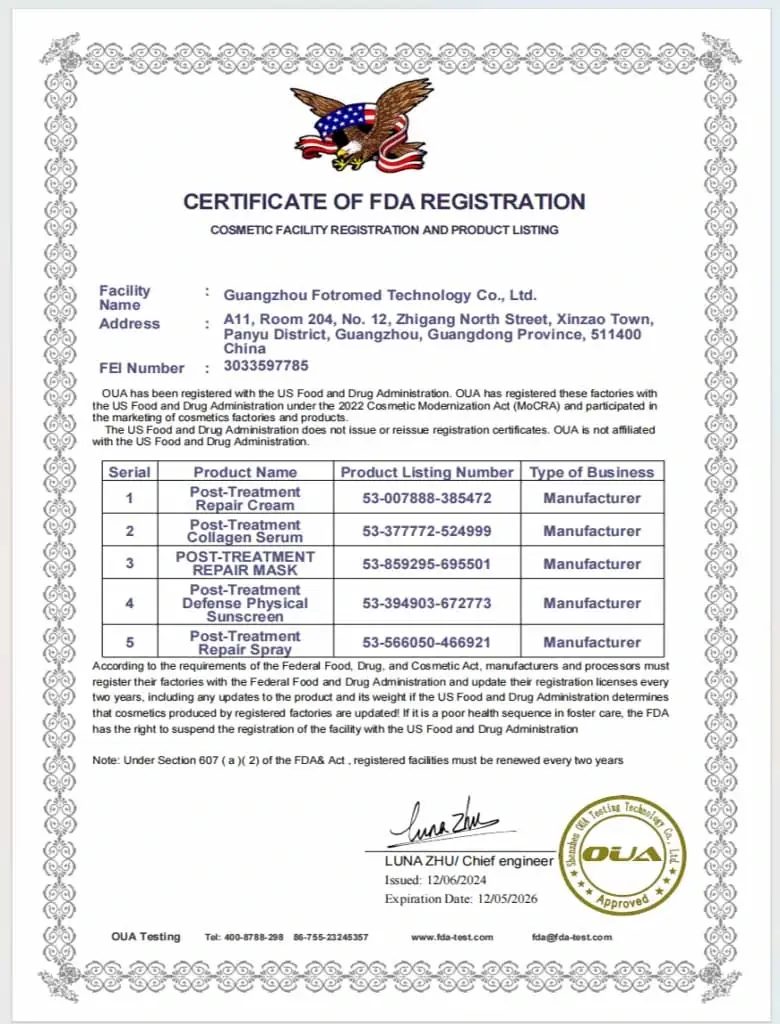
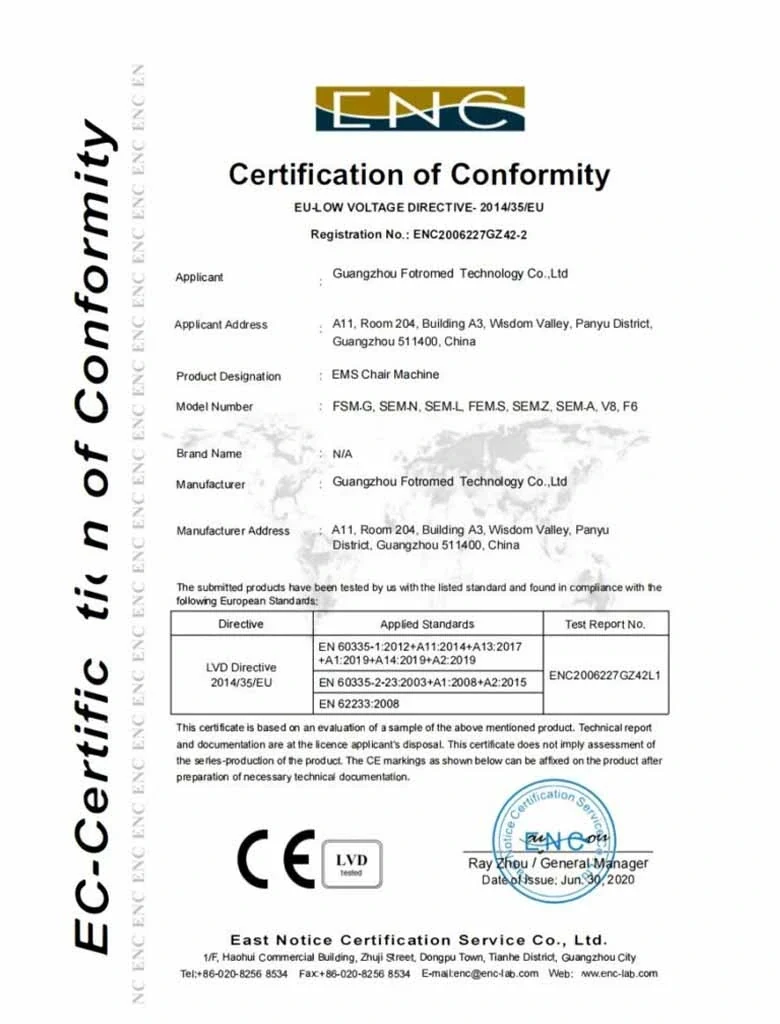
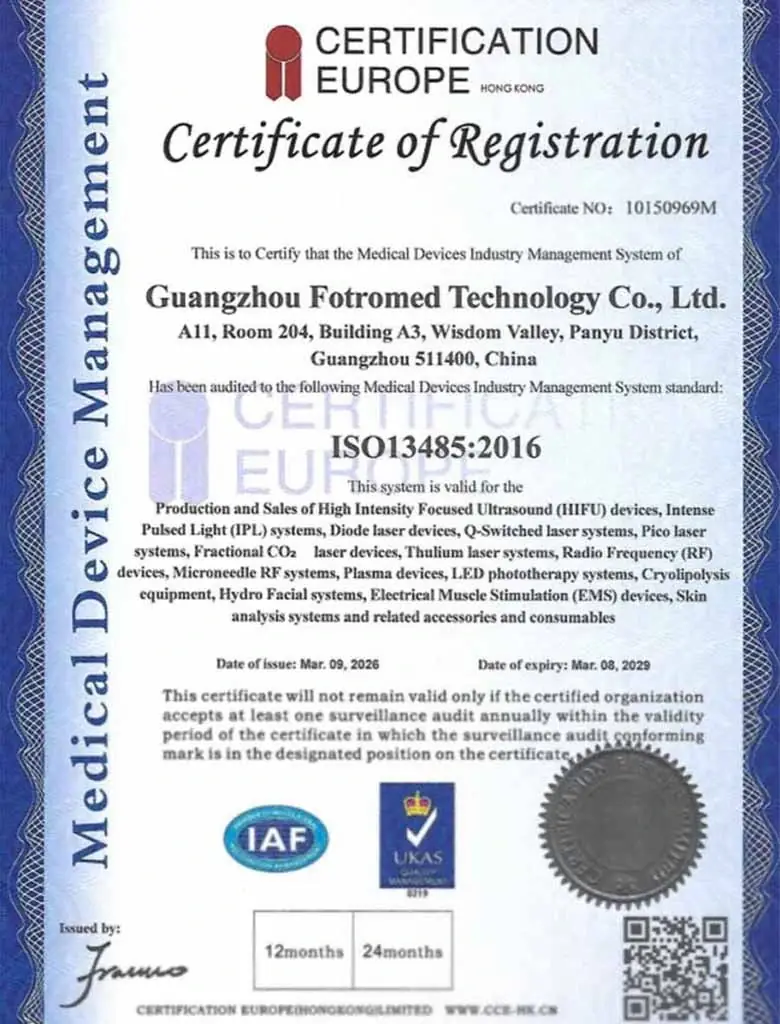
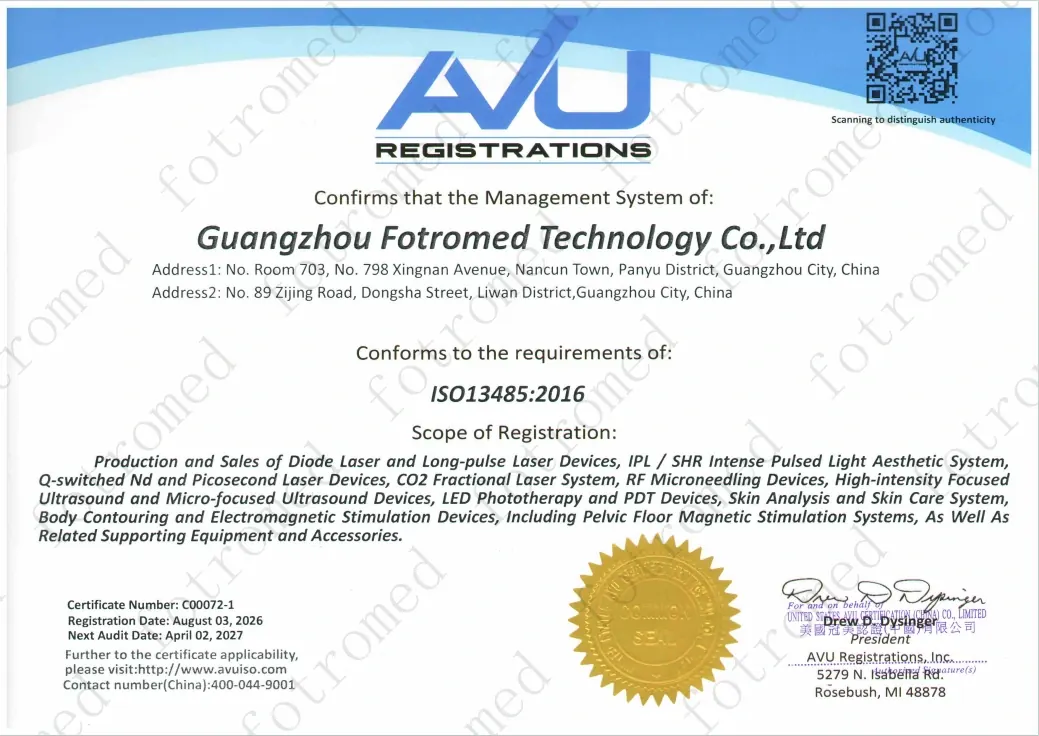
Certified Quality for Global Markets
FAQ
How much does a professional HIFU machine cost?
Pricing depends on the machine platform, handpieces and cartridges, order quantity, OEM scope, voltage and plug requirements, shipping terms, and target-market documents. Request a model-specific quotation that states what is included and what remains optional.
What is the best HIFU machine for a clinic?
The best choice fits the clinic’s treatment menu, operator experience, room setup, budget and local requirements. Compare the actual cartridge depths, handpiece design, energy control, training and service support instead of choosing by a higher D label alone.
Are all HIFU machines the same?
No. HIFU machines can differ in energy output, cartridge depth, shot capacity, handpiece design, software control, safety functions and after-sales support. Check the datasheet, supplied configuration and local compliance documents for the exact model you are considering.
What is the difference between 7D, 12D, 22D and 25D HIFU machines?
These labels are not a unified industry standard. Compare each model’s treatment depths, cartridge configuration, energy control, handpiece options and intended use before deciding which platform fits the services you plan to offer.
Can a professional HIFU machine be used at home?
A professional HIFU machine should not be treated as a home-use device. Use must follow the model instructions, operator training requirements and rules in the target market. Home-use products are a separate category and do not define clinic-system use.
How do you use a HIFU machine, and what training is needed?
Training should cover setup, handpiece and cartridge selection, operating workflow, treatment records, cleaning and technical-support escalation. It should be read together with the machine instructions and does not replace local licence, clinical qualification or market-specific requirements.
Are HIFU machines FDA-cleared or CE-marked?
Regulatory status is specific to the exact model and market. In the United States, a device with a verified 510(k) record is FDA-cleared, not FDA-approved. In the EU, buyers should verify the model’s CE marking, EU declaration of conformity and, where applicable, conformity certificate against its intended use. FotroHIFU machines are not FDA-cleared. Request model-specific documents and confirm local requirements before ordering.
How long does a HIFU machine order take?
The confirmed timing depends on the selected model, configuration, quantity, branding work, required documents and shipping arrangement. Ask for the production or dispatch date and estimated transit time separately, because they are not the same stage of an order.
Can FotroHIFU provide OEM or ODM HIFU machines?
Available OEM or ODM work can include branding, product naming, startup-screen or interface changes, colors, packaging and selected design work. The final scope depends on the platform, requested changes, quantity, target market and required testing.